Boat licences and registration by state: the Australian rules compared
Who regulates boating in each state and territory, when you need a licence or registration, how transfers work on a sale, and what changes when you move.
Recreational boating in Australia is regulated by the states and territories, not Canberra, and the rules differ more than most buyers expect. A boat that needs no registration in one state may need it the moment it crosses a border, and a licence that covers you in one place may only be recognised for three months in the next. This guide sets out the rules for recreational boats in each jurisdiction as of October 2026, with links to the official pages. Commercial vessels are regulated separately under national law by the Australian Maritime Safety Authority and are not covered here.
Fees change every financial year and the thresholds below are summaries, so check the official page for your state before you rely on them.
The rules at a glance
| State | Regulator | Licence needed for | PWC | Registration needed for | Buyer's transfer deadline |
|---|---|---|---|---|---|
| NSW | Transport for NSW (Maritime) | Powered vessels at 10 knots or more | Separate PWC licence, any speed | Engine 4 kW or more; any vessel 5.5 m or longer; all PWCs; vessels needing a mooring or marina berth | 14 days |
| QLD | Maritime Safety Queensland / TMR | Engine over 4.5 kW | Marine licence plus PWC licence | Engine 3 kW or more, including PWCs | 14 days |
| VIC | Safe Transport Victoria, via VicRoads | Any powered recreational vessel | PWC endorsement on marine licence | Any boat with an engine capable of propulsion | 14 days |
| WA | Department of Transport and Major Infrastructure | Motor over 6 hp (4.5 kW): Recreational Skipper's Ticket | Covered by the RST rules | Any motor-powered or motor-capable vessel | Notify changes within 15 days |
| SA | Department for Infrastructure and Transport | Any vessel fitted with an engine | Licence holders aged 16 or over | Motorised boats, including PWCs | 14 days |
| TAS | Marine and Safety Tasmania (MAST) | Vessels of 4 hp or more | PWC endorsement on motor boat licence | Motor of 4 hp or more; all PWCs | 14 days (buyer and seller) |
| NT | NT Government | No licence for recreational boats | No licence | No registration | Not applicable |
| ACT | Access Canberra; NCA for Lake Burley Griffin | Over 10 knots: interstate licence plus ACT approval | Interstate rules | Must be registered in another state | Not applicable |
New South Wales
Recreational boating in NSW is administered by Transport for NSW, with transactions through Service NSW.
- Licence: required to drive a recreational vessel at 10 knots (18.5 km/h) or more. There are two classes, the general boat licence and the PWC licence, and you must hold the general licence before you can get a PWC licence. A PWC licence is needed at any speed. You can apply from age 12, with restrictions until 16.
- Registration: required if the vessel has an engine of 4 kW or more, is 5.5 m or longer with or without an engine, is a PWC, or needs a mooring licence or marina berth. First registration requires a HIN certificate and, for powerboats, proof of an Australian Builders Plate.
- On a sale: the buyer completes the transfer within 14 days, and the seller lodges a Notice of Disposal within 14 days. The seller stays on the record, and responsible for fines, until the buyer registers the boat.
- Interstate boats: a boat registered elsewhere does not need NSW registration if it has been in NSW for no more than three months and is not normally used on NSW waters. Interstate registration cannot be transferred; moving the boat to NSW means a new NSW application.
Queensland
Maritime Safety Queensland sets the rules; licences and registrations are handled through the Department of Transport and Main Roads (licences, registration).
- Licence: a recreational marine driver licence is required for a boat with an engine over 4.5 kW, unless a licensed supervisor on board can take immediate control. A PWC needs both the marine licence and a PWC licence. The minimum age is 16, training is through a BoatSafe course, and the licence is valid for life.
- Registration: boats and PWCs with an engine of 3 kW or more must be registered. Boats of 15 m or longer need an endorsement from Maritime Safety Queensland before registration is processed.
- On a sale: the buyer transfers ownership within 14 days of purchase. If the boat has a registered trailer, that transfers separately.
- Interstate boats: boats with current interstate registration can operate in Queensland while on interstate voyages. If you move to Queensland, or your interstate registration expires, you need Queensland registration. A current interstate licence can be used within its conditions and can be converted.
Victoria
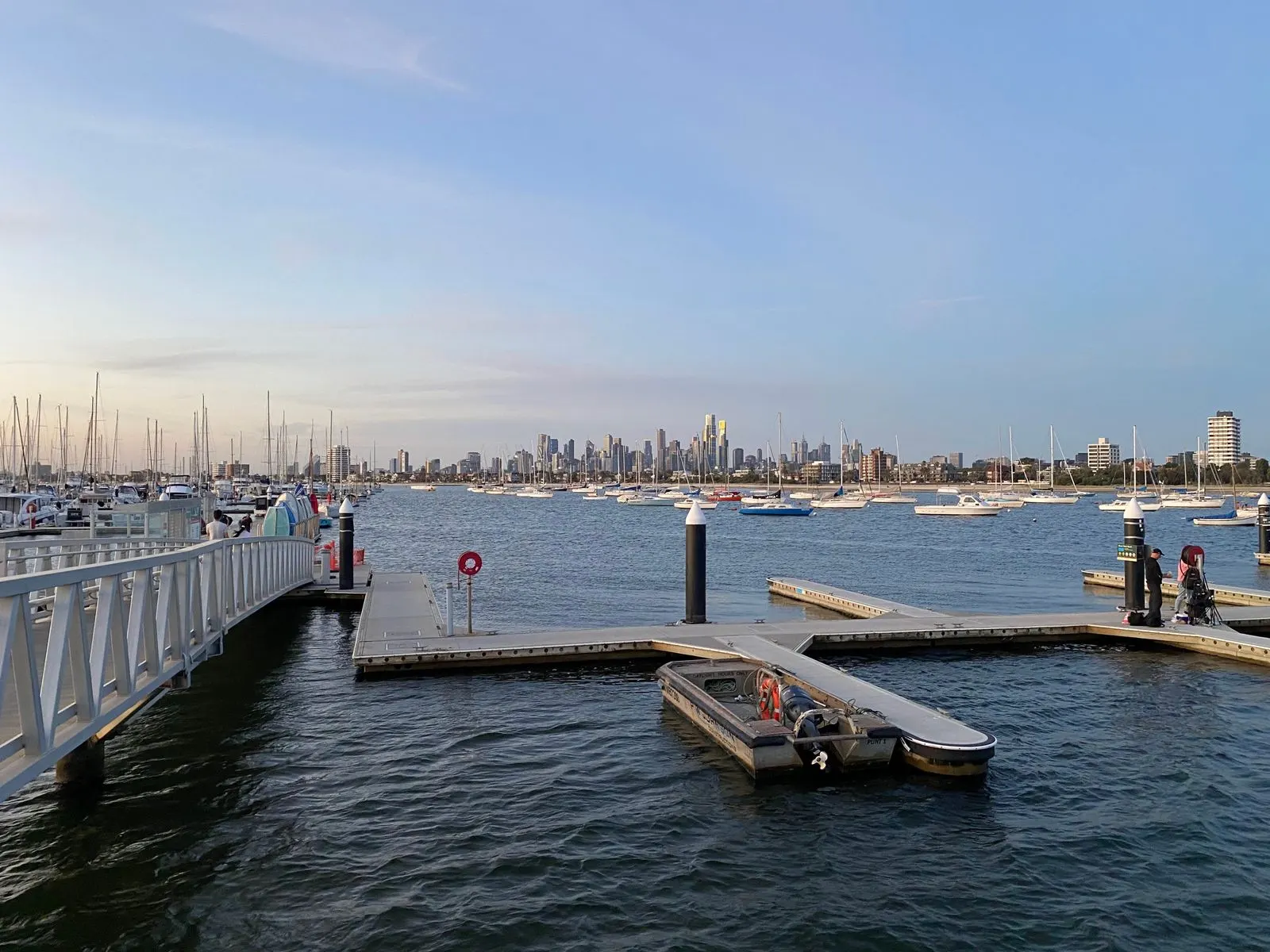
Safe Transport Victoria is the regulator, with VicRoads acting as its agent for licences and registration.
- Licence: required to operate any powered recreational vessel, including sailing boats with an engine, e-foils and motorised paddle craft. Jet ski riders need a PWC endorsement, which is only available to holders of a marine licence aged 16 or over. Restricted licences are available from 12 to under 16, limited to daylight and under 10 knots.
- Registration: any boat with an engine capable of propulsion must be registered and renewed every 12 months, with some low-powered kayaks and canoes exempt. Trailers are registered separately.
- On a sale: the transfer form, signed by buyer and seller, goes to VicRoads within 14 days.
- Interstate: interstate licence holders can operate an equivalent vessel for three months, after which, or once they have lived in Victoria for more than three months, they convert to a Victorian licence. An interstate-registered boat temporarily in Victorian waters for under three months does not need Victorian registration; a person who lives in Victoria continuously for more than three months must register their vessel there.
Western Australia
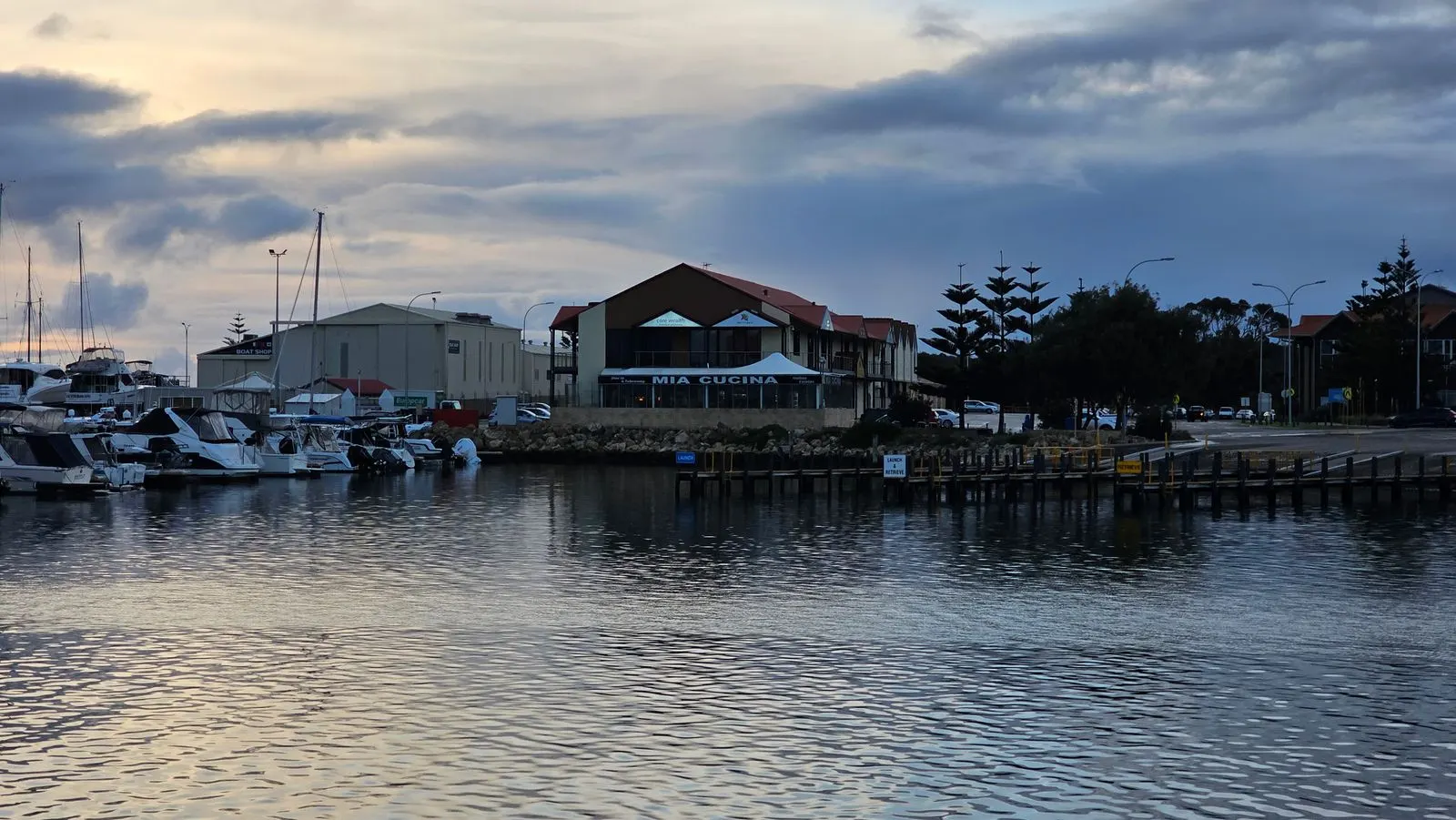
The Department of Transport and Major Infrastructure (DTMI) regulates recreational boating.
- Licence: the skipper needs a Recreational Skipper's Ticket to operate a recreational vessel with a motor over 6 hp (4.5 kW). The minimum age is 14; holders under 16 are limited to daylight and under 8 knots.
- Registration: every recreational vessel that is, or can be, motor-powered, including sailing vessels able to carry a motor, wherever it is kept. Unpowered craft are exempt, as are tenders of 3.1 m or less with a motor of 5 hp or less used only as ship-to-shore transport.
- On a sale: ownership can be transferred online through DoTDirect, and DTMI must be told of changes to registration details within 15 days.
- Interstate: a boat registered in another state must be registered in WA within three months of first being used in WA waters, or within 30 days for boats coming from the Northern Territory. A skipper's ticket from another state or country is accepted for stays of less than three months.
South Australia
The Department for Infrastructure and Transport regulates boating, with transactions through Service SA (licences, transfers).
- Licence: a boat operator's licence is required to operate any recreational vessel fitted with an engine, regardless of size, and whether or not the engine is running. Exemptions include people aged 12 or over under the direct supervision of a licence holder at under 10 knots. Children aged 12 to 16 can hold a special permit. PWCs can only be operated by licence holders over 16; special permit holders cannot ride them.
- Registration: motorised boats, including PWCs, must be registered.
- On a sale: the buyer transfers within 14 days; the fee is A$22 as of October 2026. Interstate boats and boats needing a HIN check cannot be transferred online.
- Interstate: visitors with a current interstate licence can operate in SA for up to 90 days.
Tasmania

Marine and Safety Tasmania (MAST) runs licensing and registration.
- Licence: a motor boat licence is required for vessels of 4 hp or more, except hire-and-drive vessels. Training and assessment are through a MAST-approved provider. PWC riders need a PWC endorsement on top of the motor boat licence. Provisional licences are available from 12 to 17, and licences run for three years on a common expiry date.
- Registration: recreational boats with a motor of 4 hp or more, and all PWCs.
- On a sale: both buyer and seller notify MAST within 14 days, and both complete a declaration that the vessel is not unsafe.
- Interstate: interstate licence holders can operate for a maximum of three months, then need a Tasmanian licence, which can be obtained by mutual recognition.
Northern Territory
The NT is the outlier. According to the NT Government, you do not need a licence to operate a recreational boat and you do not have to register it. NT boating laws, including safety equipment requirements, still apply, and you can be prosecuted for breaking them.
Tip: an unregistered NT boat that heads interstate becomes subject to the destination state's rules. WA, for example, gives boats coming from the NT only 30 days to register.
Australian Capital Territory
The ACT has no boat licence or registration scheme of its own. Access Canberra says boats used on ACT lakes must still be registered, and operators need a licence, from another state or territory. Boats operated over 10 knots need an interstate licence and ACT Government approval. Lake Burley Griffin is managed separately by the National Capital Authority, which issues its own permits.
Buying, selling and moving interstate
A few practical points follow from all of this:
- Check the registration before you buy. Confirm that the registration matches the HIN on the hull and that it is current. Transfer deadlines start from the date of purchase, not the date you get the paperwork. Our used yacht checklist covers the settlement paperwork.
- Moving a boat interstate means a new registration. Interstate registration does not transfer; you apply afresh in the new state, with proof of ownership and identity, and in some states a HIN or Builders Plate check.
- Licences are broadly recognised, for a while. Most states accept an equivalent interstate licence for visitors, typically for three months (90 days in SA). Residents moving permanently should convert.
- PWCs are treated separately almost everywhere. If a jet ski comes with the boat, check the PWC licensing and registration rules for your state.
- Imported boats start from scratch: see importing a boat into Australia for the Builders Plate and compliance requirements before registration.
For the rest of the buying process, read pre-purchase surveys and sea trials, and when you sell, selling your boat covers the seller's side of the transfer. To see what is on the market in your state, search current listings.
Sources
- Transport for NSW, Get a boat or personal watercraft (PWC) licence
- Transport for NSW, How to register a vessel
- Transport for NSW, Interstate or overseas vessels in NSW
- Transport for NSW, Transfer vessel registration
- Transport for NSW and Queensland Government, Get to know your interstate boating rules (NSW and Queensland)
- Queensland Government, Boat and personal watercraft licences
- Queensland Government, Register a boat
- Safe Transport Victoria, Licensing and registration
- VicRoads, Register a vessel
- Department of Transport and Major Infrastructure (WA), Recreational boat registration
- Department of Transport and Major Infrastructure (WA), Who has to have an RST
- SA.GOV.AU, Boat licences
- SA.GOV.AU, Transfer a boat registration
- Marine and Safety Tasmania, Licence and registration
- Marine and Safety Tasmania, Buying a motor boat (notice of disposal)
- NT Government, New to recreational boating
- Access Canberra, Boating on ACT lakes and Googong Reservoir
Information is general and current at the time of writing. Check with the authority or a professional before you rely on it.