What a 15 m flybridge really costs to own each year
Berth, insurance, haul-outs, servicing, fuel and depreciation for a 50-foot flybridge cruiser in Australia, with a low, typical and high annual budget.
The purchase price is the number everyone talks about. The number that decides whether you keep the boat is the annual bill, and on a 15 m (about 50-foot) flybridge cruiser it is bigger and lumpier than most first-time owners expect. This guide breaks it down line by line, using published Australian marina and boatyard rates as of October 2026, and ends with a sample budget you can adjust for your own boat and your own habits.
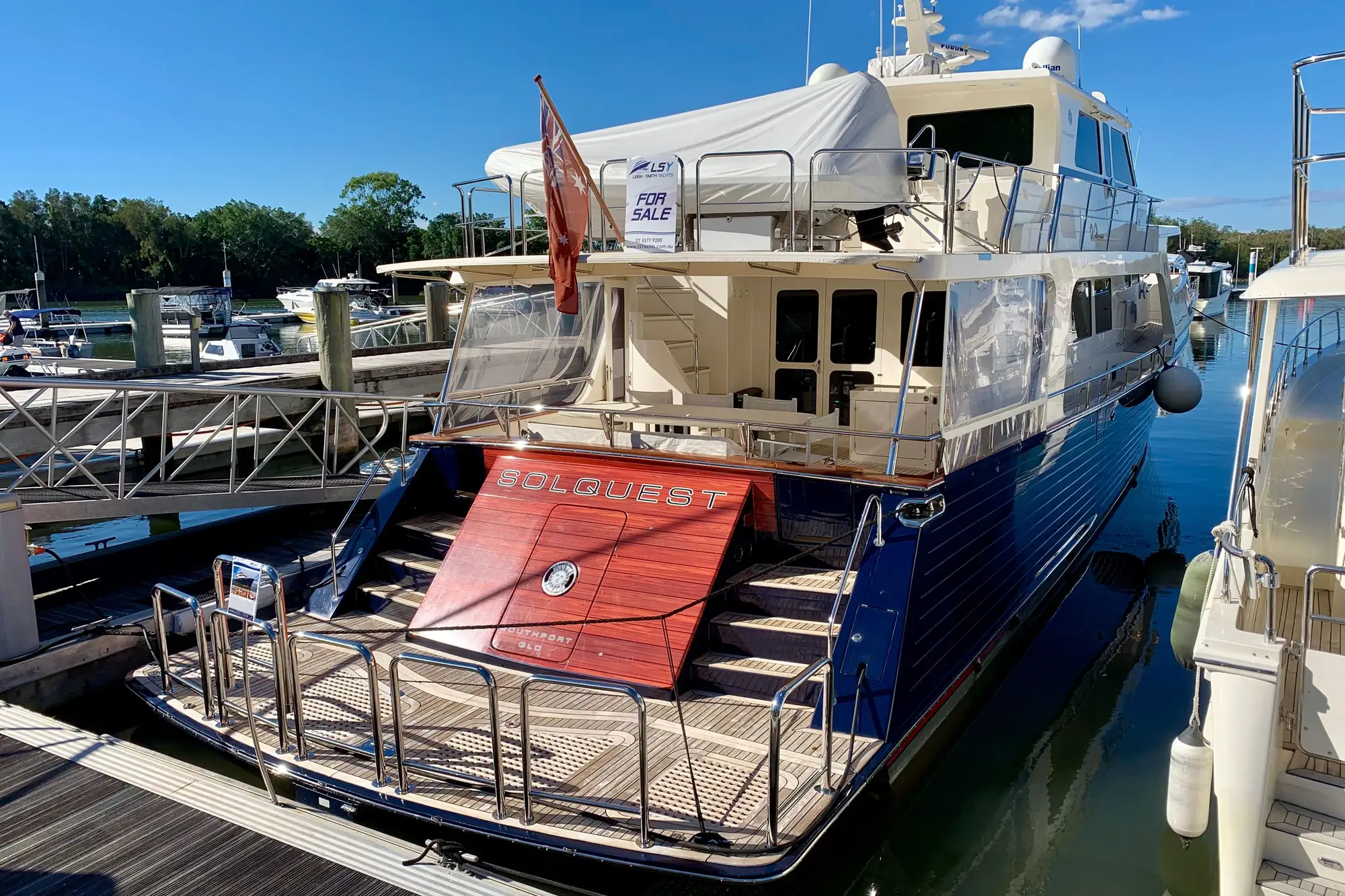
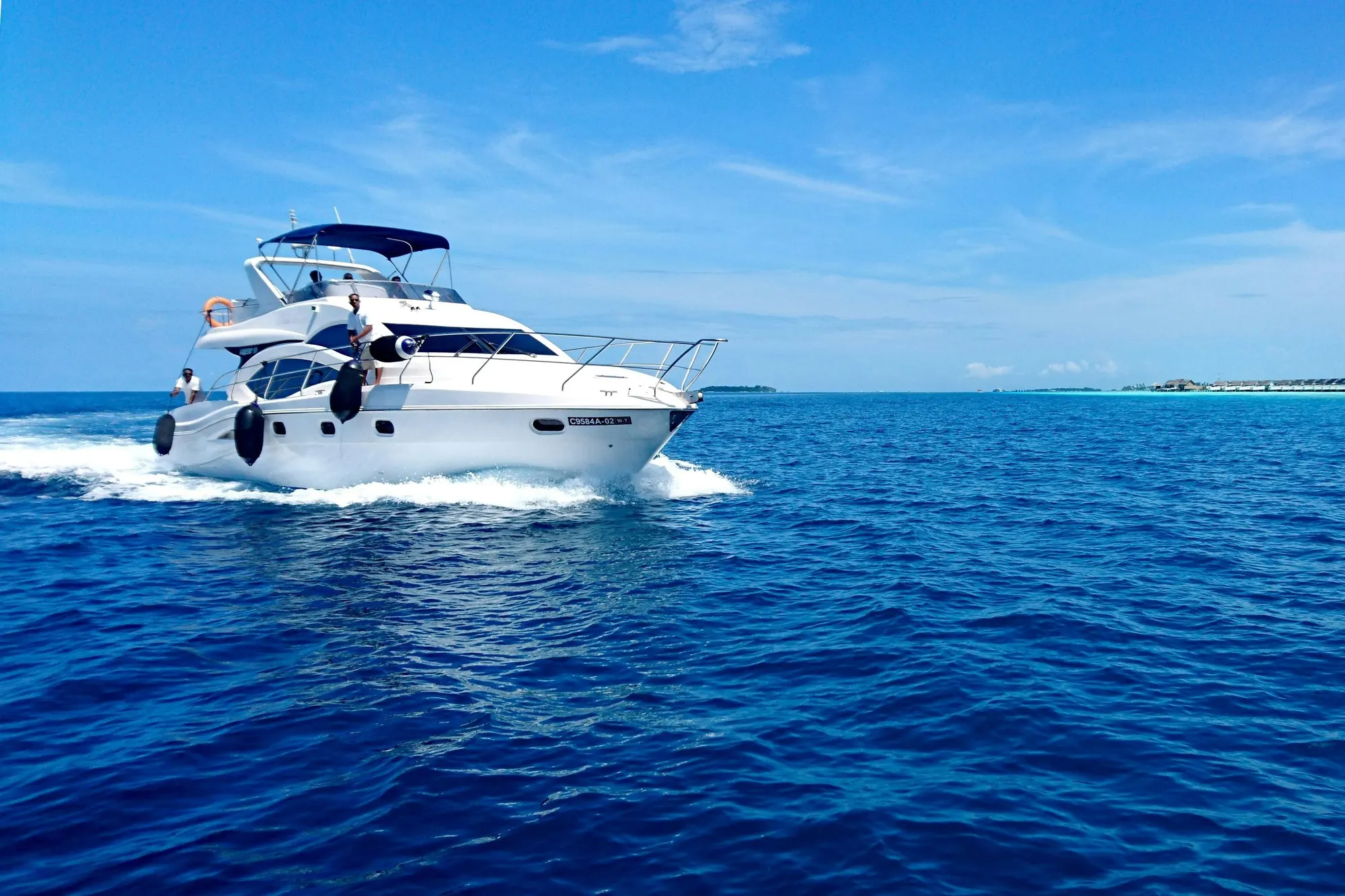
The reference boat is a production flybridge of 14 to 16 m with twin diesels of 500 to 750 hp, a generator, air-conditioning and a tender on the swim platform. Think of a Riviera, Maritimo, Princess or Sunseeker of that size, five to fifteen years old and worth somewhere around A$700,000 to A$1.5 million. Shaft drive or pods makes a difference to servicing, which is covered in our drive systems guide.
The marina berth
For most owners the berth is the largest fixed cost, and it is set almost entirely by where you keep the boat. Marinas charge by length band, measured overall, including the swim platform, davits, bowsprit and anything else that sticks out. Royal Queensland Yacht Squadron's rate card says so explicitly, and Royal Prince Alfred Yacht Club measures "actual length overall" on arrival. A boat sold as a "48" can easily measure 15.5 m once the platform is counted, which may push you into the next band.
Published rates for a 15 m monohull berth, as of October 2026:
| Marina | Rate for 15 m | Notes |
|---|---|---|
| Royal Yacht Club of Victoria, Williamstown | A$652 a month, A$7,824 a year (14–15 m) | From 1 July 2026 |
| Hillarys Boat Harbour, Perth | A$11,370 a year | A$758 per metre for 12 months, 2026/27; power and water metered on top |
| Southport Yacht Club, Gold Coast | A$1,186 a month (member, double pen); A$10,230 a year | Visitors pay A$1,930 a month; includes GST |
| Royal Prince Alfred Yacht Club, Pittwater | About A$1,490 a month | Members' permanent rate of A$30.35 per foot per month, applied to 49 ft |
| Royal Queensland Yacht Squadron, Brisbane | A$1,464 a month | November 2025 rates; membership required after 30 days |
| Hamilton Island Marina, Whitsundays | A$2,175 to A$2,955 a month; A$20,285 a year | Low and high season monthly rates, from 1 April 2025 |
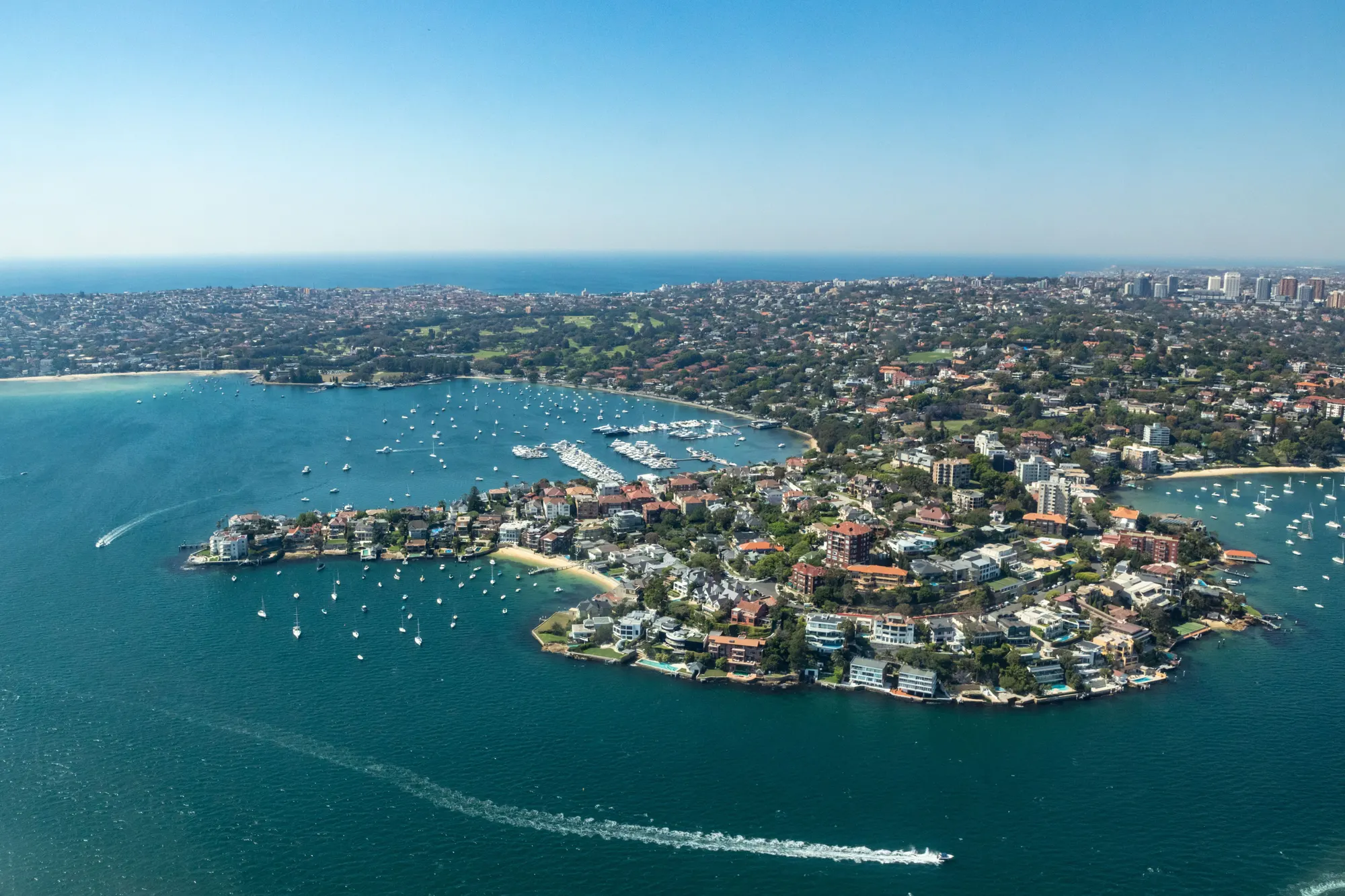
Sydney Harbour itself is dearer again. Most marinas there do not publish rate cards, and berths change hands as private licences and sub-leases. Budget well above the Pittwater figure for an eastern-suburbs or inner-harbour berth. The marina berths guide covers each city in more detail, along with moorings and the case for buying a berth outright.
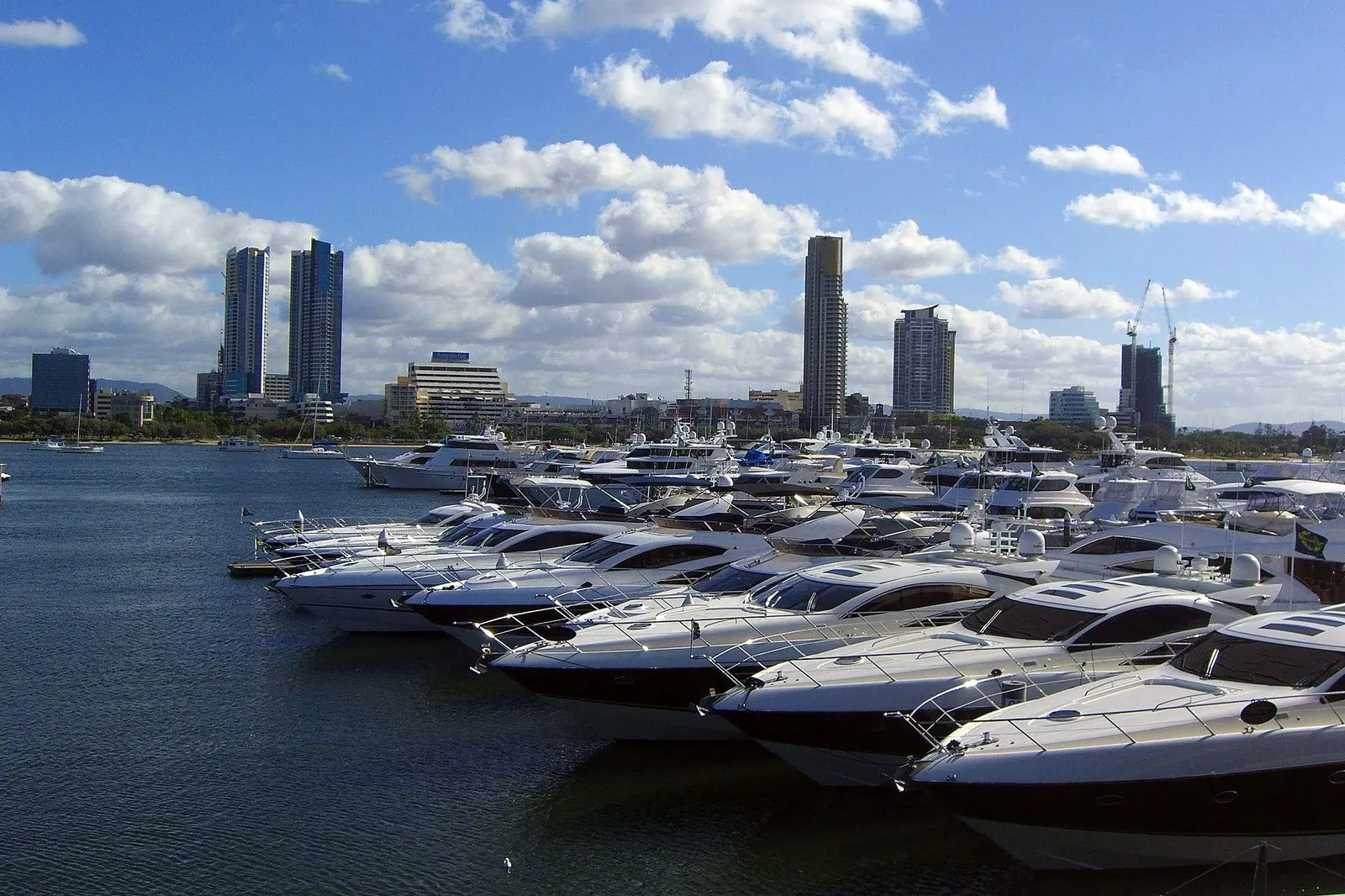
Read the extras on the rate card. Southport charges 35 cents per kWh for three-phase power and A$290 a month for liveaboards. Hamilton Island adds charges for three-phase and for running multiple 15-amp leads, and adds 25 per cent for a single berth. A 15 m flybridge running air-conditioning in a Queensland summer will draw serious power.
Insurance
Insurers do not publish rate tables for cruisers, so the only way to get a real number is to ask for quotes. As a planning figure, many owners budget around 1 to 1.5 per cent of the agreed value each year. Treat that as a starting point, not a rate. The premium moves with the boat's value, age and speed, where it is kept, your experience and claims history, the excess you choose and how far you plan to go.
Two things push a 15 m flybridge towards the top of the range. The first is northern waters: Pantaenius says owners who want named tropical storm cover in Queensland should expect roughly 10 per cent more premium a year. The second is age: the same insurer asks for a recent out-of-water survey on boats older than six years. Club Marine's standard cruiser cover runs Australia-wide out to 250 nautical miles offshore. The finance and insurance guide goes through agreed value, cyclone clauses and liability limits.
Haul-out and antifouling
Antifouling is usually done once a year in warm water and every 12 to 18 months in the south, depending on the paint and how much the boat moves. The yard bill has two parts: the yard's fees and the work itself.
Royal Queensland Yacht Squadron publishes its yard fees. For members, a travel-lift lift and launch costs A$16.08 per foot, a standard pressure wash A$3.11 per foot, hardstand A$1.72 per foot per day for the first week, and there is a A$95 environmental levy. Visitors pay A$23.96 per foot for the lift. On a boat that measures 52 ft overall, a member's lift, wash and five days on the hard comes to roughly A$1,550 before any work is done. Royal Yacht Club of Victoria charges registered vessels A$42.80 per metre to lift, chock and relaunch.
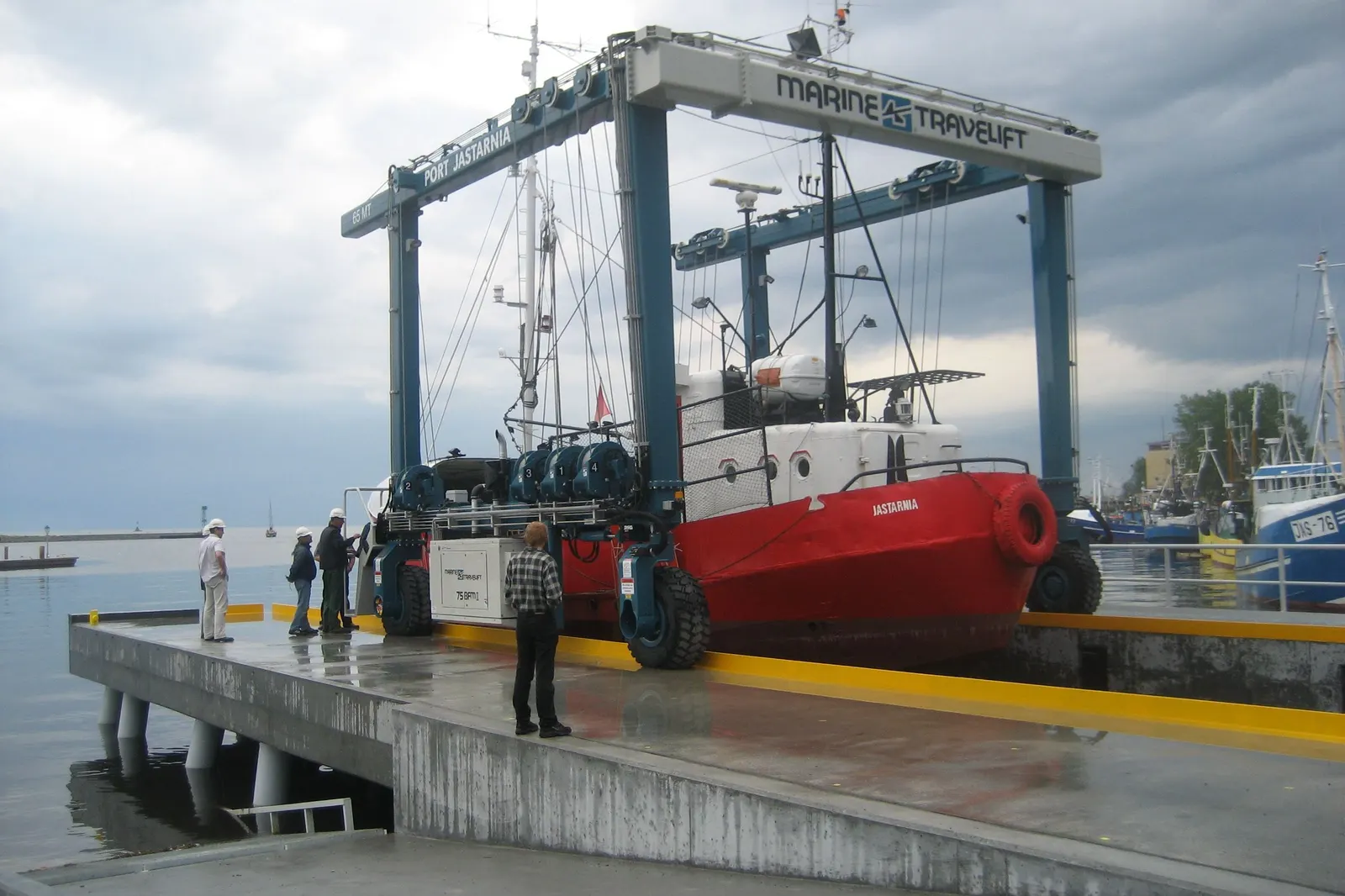
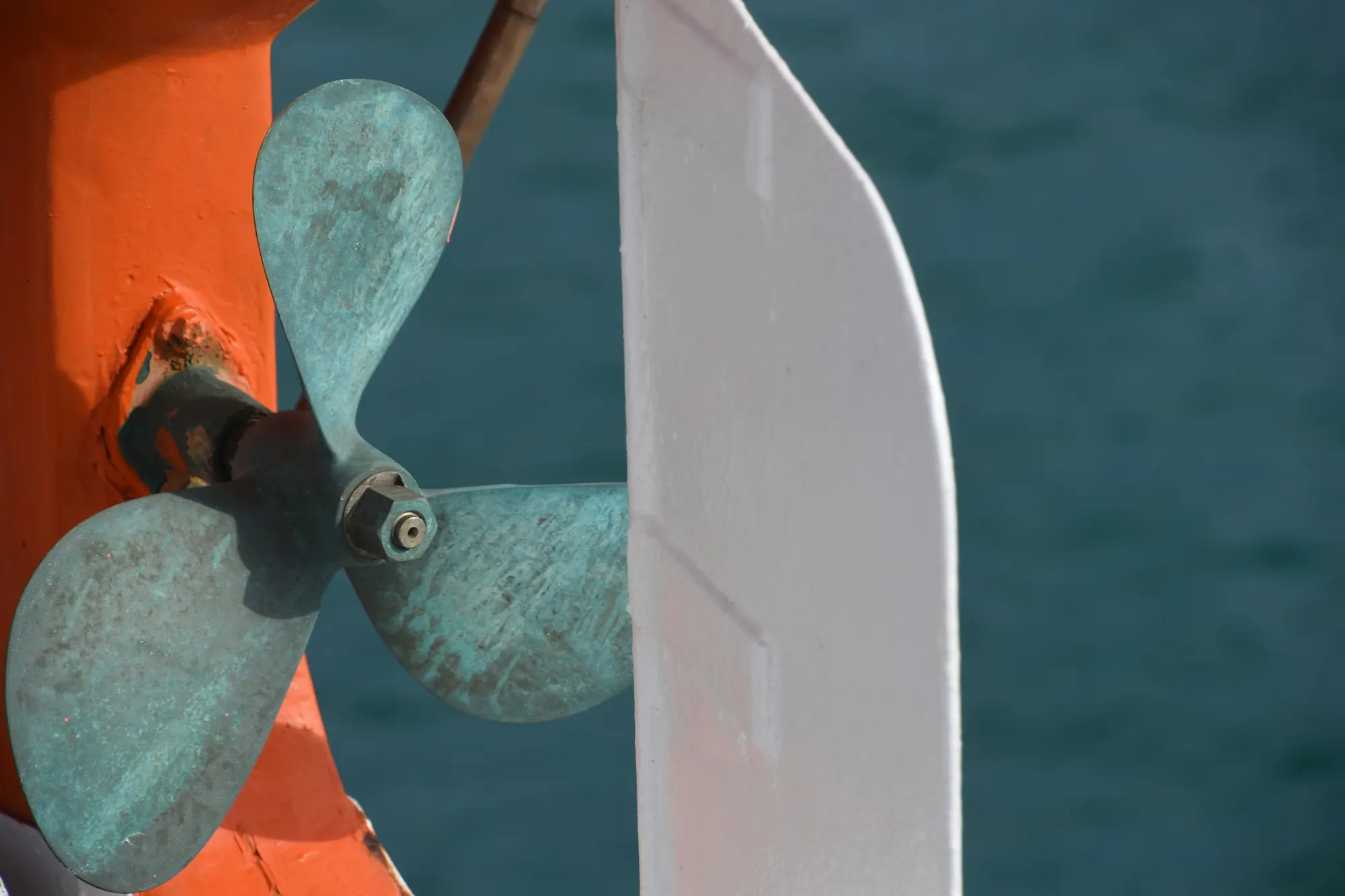
Then come the paint, labour, anodes, propeller and running gear service. For a 15 m hull, a contractor antifoul with two coats, new anodes and a prop polish typically lands somewhere around A$4,000 to A$8,000 including the yard fees. That is an estimate built from published yard rates and typical job sizes. Add more if the boat needs a propeller coating, a cutless bearing, or a pod or saildrive seal job, and allow for the berth fee you keep paying while the boat is on the hard.
Engine and generator servicing
Twin diesels need an annual service at minimum, whatever the hours. A typical annual service covers oil and filters, fuel filters, raw-water impellers, zinc anodes in the cooling system, belts and hoses, and a check of the coolant and exhaust elbows. Pod drives add their own oil and filter changes: the Volvo Penta IPS schedule in the Regal 42 SC manual lists engine oil every 100 to 200 hours or yearly, and drive oil and filter every 400 hours or yearly.
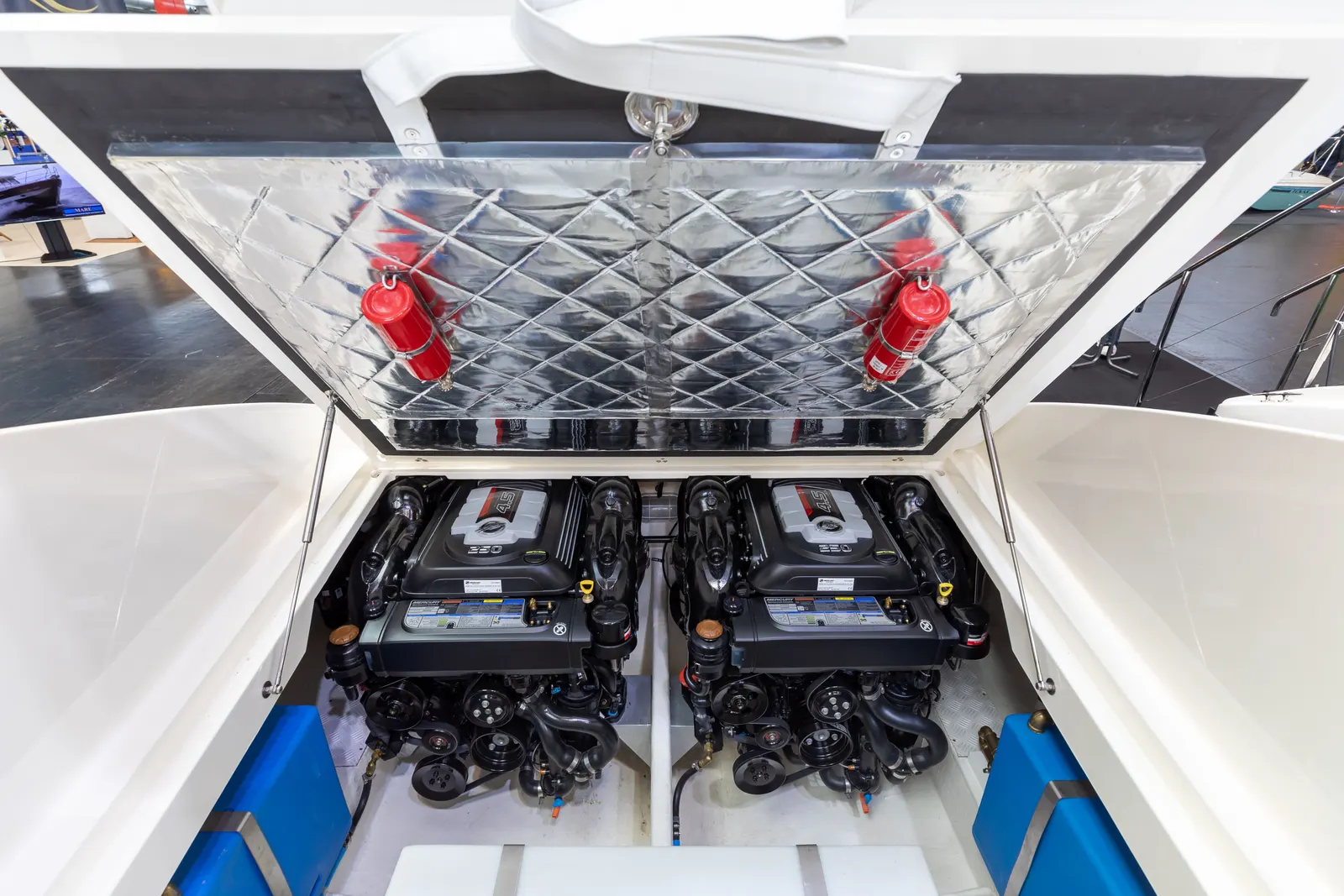
Workshops quote per job, and dealer rates for marine diesel technicians are higher than general mechanic rates. For two diesels plus the generator, a routine annual service usually costs somewhere between A$4,000 and A$8,000 in parts and labour. That is our estimate, not a quoted price. Every few years there is a bigger service: heat exchangers and aftercoolers cleaned, injectors tested, valve clearances, turbo inspection. Spread that over the years in between, and add a reserve for the things that simply fail. A realistic engine budget for a well-used boat is A$8,000 to A$15,000 a year averaged out.
The generator is the forgotten engine. It often runs more hours than the mains at the marina, and it needs the same oil, impeller and anode routine. Allow A$600 to A$1,500 a year.
Registration and levies
Registration is the smallest line in the budget. In NSW a 14.51 to 15.00 m vessel costs A$520 a year from 1 July 2026, with each extra half-metre adding A$17. Other states price differently, and Queensland marinas pass on a state marina levy in their fees. See boat licences and registration by state.
Fuel at typical usage
Fuel is the line that varies most, because it depends entirely on how you use the boat. BoatTest's performance test of a Riviera 50 Sports Motor Yacht with twin 725 hp Volvo Penta D11 IPS 950s recorded 166.6 litres an hour at a 22.6-knot cruise, 31.4 litres an hour at 8.4 knots and 285.8 litres an hour at 33.8 knots flat out. Running at displacement speed costs a fifth of what planing does.
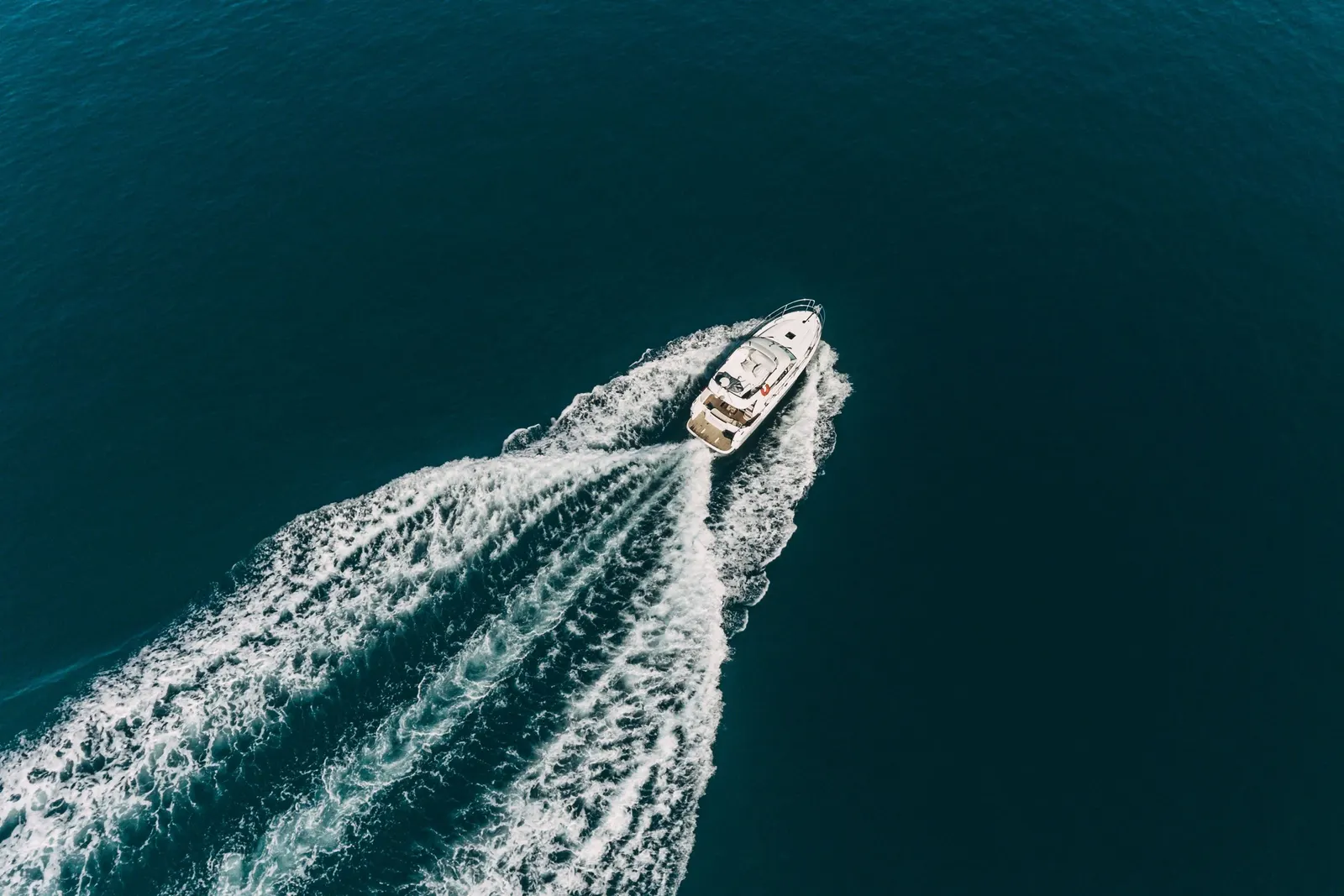
Most private flybridges do 50 to 150 engine hours a year. If you average 120 litres an hour across a mix of cruising and slow running, 100 hours is 12,000 litres. At A$2.00 to A$2.40 a litre at the fuel dock that is A$24,000 to A$29,000. Marina fuel prices change weekly and vary by location, so check your local dock price and recalculate. Halving your cruise speed on the way home does more for this line than any other decision you make.
Cleaning, detailing, canvas and electronics
A boat that lives in a marina needs a wash after every outing, a hull clean every month or two in warm water, and a cut and polish once or twice a year. Doing it yourself costs time and products. Paying a detailer for a fortnightly wash, quarterly diver hull clean and twice-yearly polish typically runs A$4,000 to A$10,000 a year for a boat this size.
Canvas, clears and covers last five to eight years in Australian UV, and replacing a full flybridge enclosure and covers can cost well into five figures. Electronics age just as quickly: displays, radar and autopilot computers become unsupported long before they fail. Set aside A$2,000 to A$6,000 a year across the two so the replacements do not land as a shock.
Depreciation and the cost of money
Depreciation is not a cash cost each year, but it is the largest cost of ownership for many boats. How fast a flybridge loses value depends on the brand, the model's reputation, its engines and hours, and how well it has been kept. The best way to estimate it is to compare asking prices for the same model at different ages on our listings. As an illustration only, a A$1,000,000 boat that loses 5 per cent a year is costing A$50,000 a year before any other bill.
Add the cost of money too. If the boat is financed, that is the interest. If it is bought with cash, it is the return that money could have earned elsewhere.
A sample annual budget
The table below is for a 15 m flybridge, five to fifteen years old, with an agreed value of around A$900,000. The low column is a southern club berth, light use and an owner who does the cleaning. The typical column is a Brisbane or Pittwater berth and about 100 engine hours. The high column is an inner-Sydney or resort-island berth, heavy use and everything done by contractors. Figures are rounded and exclude depreciation and finance.
| Item | Low (A$) | Typical (A$) | High (A$) |
|---|---|---|---|
| Marina berth | 9,000 | 16,000 | 36,000 |
| Insurance | 6,000 | 10,000 | 18,000 |
| Haul-out and antifouling | 4,000 | 6,000 | 10,000 |
| Engine servicing and repairs | 4,000 | 8,000 | 15,000 |
| Generator servicing | 600 | 1,000 | 1,500 |
| Registration and levies | 500 | 600 | 800 |
| Fuel | 10,000 | 26,000 | 60,000 |
| Cleaning and detailing | 2,000 | 6,000 | 10,000 |
| Canvas and electronics reserve | 2,000 | 4,000 | 6,000 |
| Sundries: batteries, safety gear, gas, club fees | 2,000 | 3,500 | 6,000 |
| Total | 40,100 | 81,100 | 163,300 |
Note: the berth, yard and registration figures come from the published rate cards listed in the sources. The insurance, servicing, fuel price, cleaning and reserve figures are our planning estimates. Get quotes before you commit.
How costs scale for 10 m and 20 m boats
Costs do not rise in a straight line with length. Most of them are charged per metre or per foot, so they rise roughly in proportion. Systems costs rise faster, because a bigger boat has more engines, bigger engines, more generators and more of everything.
A 10 m sports cruiser or flybridge often has twin petrol sterndrives, a single diesel, or outboards. Berths are cheaper: the 10 m band is A$795 a month at Royal Queensland Yacht Squadron and A$4,672 a year (up to 10 m) at Royal Yacht Club of Victoria. Haul-out fees fall with length, and a pair of sterndrives costs less to service than twin shaft diesels, though bellows and gimbal bearings add their own routine. A typical 10 m boat often costs A$20,000 to A$40,000 a year to run.
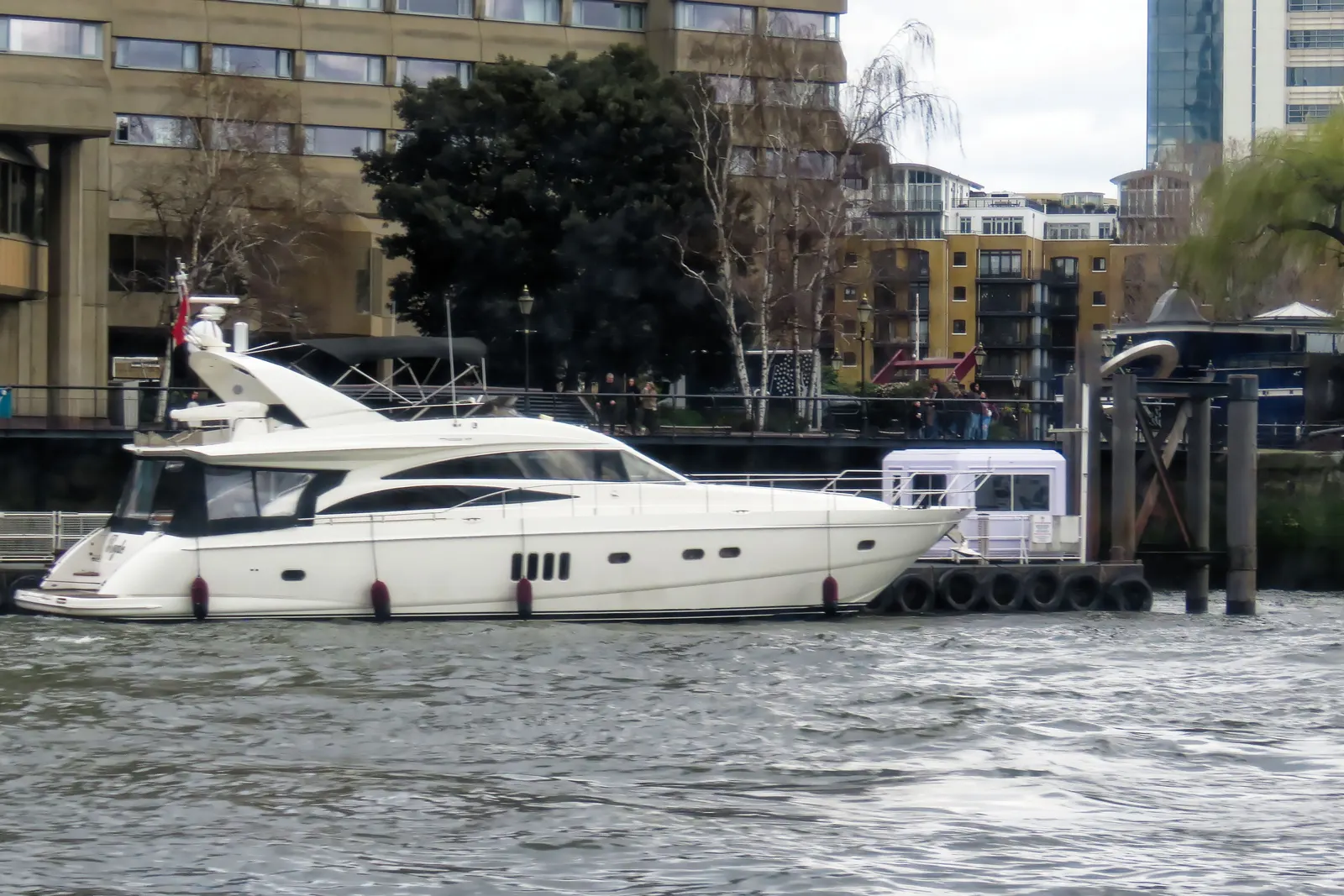
A 20 m flybridge moves into a different bracket. Southport Yacht Club's 12-month member rate for a 20 m single berth is A$23,954, Royal Queensland Yacht Squadron charges A$2,337 a month, and Hamilton Island A$26,345 a year. Engines are typically 1,000 hp or more each, fuel burn at cruise roughly doubles, and many owners pay for a part-time skipper or a management company. Budgets of A$150,000 to A$250,000 a year are common before depreciation.
If you are still choosing a hull type, our guides to flybridge, sports yacht or motor yacht and power catamaran or monohull cover how layout and hull shape change running costs. When you have a shortlist, browse flybridge cruisers for sale or the full list of categories, and read buying a used yacht in Australia before you make an offer.
Sources
- Southport Yacht Club, Marina rates from 1 May 2026
- Royal Queensland Yacht Squadron, Berth rental rates, November 2025
- Royal Queensland Yacht Squadron, Boatyard price list, November 2025
- Royal Yacht Club of Victoria, Storage charges from 1 July 2026
- Royal Yacht Club of Victoria, Slipping and storage application form (from 1 January 2025)
- Royal Prince Alfred Yacht Club, Storage rates 2025
- Hamilton Island Marina, Marina berth fees from 1 April 2025
- Department of Transport WA, Hillarys Boat Harbour fees and charges
- NSW Government, Fees and concessions for boat and vessel registration
- BoatTest, Riviera 50 Sports Motor Yacht performance test
- Volvo Penta IPS maintenance schedule, reproduced in the Regal 42 SC owner's manual
- Club Marine, Cruiser insurance
- Pantaenius Australia, Named tropical storm cover
Information is general and current at the time of writing. Check with the authority or a professional before you rely on it.