Importing a boat into Australia: duty, GST, biosecurity and compliance
What it costs and what it takes to bring a yacht into Australia, from customs duty and GST to biosecurity, hull cleanliness, Builders Plates and visiting-yacht rules.
Buying a boat overseas can open up models and prices that are hard to find at home, but the purchase price is only the start. A yacht arriving in Australia has to clear customs, pay duty and GST, pass biosecurity, and then meet Australian compliance rules before a state will register it. This guide covers each step as of October 2026. Rules change, so treat it as a map and confirm the details for your boat with the agencies and a licensed customs broker.
Duty and GST
The Australian Border Force (ABF) says imported yachts are subject to a general rate of customs duty of 5 per cent of the customs value, which is essentially the price paid. GST of 10 per cent is then charged on the customs value plus international transport and insurance plus the duty.
A worked example for a boat bought for the equivalent of A$300,000, with A$30,000 of shipping and insurance:
| Item | Calculation | Amount |
|---|---|---|
| Customs value | Price paid | A$300,000 |
| Duty | 5% of A$300,000 | A$15,000 |
| GST base | A$300,000 + A$30,000 + A$15,000 | A$345,000 |
| GST | 10% of A$345,000 | A$34,500 |
| Duty and GST payable | A$49,500 |
On top of that come customs broker fees, port and terminal charges, biosecurity inspection fees and any treatment, and the cost of making the boat compliant.
Some points the ABF makes about value:
- Transaction value is the default for privately imported yachts bought new or second-hand overseas.
- A surveyor's valuation may be used instead where the yacht was owner-built, has been extensively modified since purchase, was bought from a related party at a price influenced by that relationship, or was bought too long ago for the price to be meaningful.
- Sailing it in still counts as freight. For a yacht sailed to Australia, the ABF works out overseas freight from the essential costs of the voyage on the most commercially viable route, which can include charts, crew wages or allowances, and food, but not time spent in port.
Duty can be lower for boats that qualify under one of Australia's free trade agreements. To claim a preferential rate, the boat must meet that agreement's rules of origin and you need the proof of origin the agreement requires at the time of import. A boat built in an FTA partner country is not automatically eligible; ask a customs broker to check before you buy. GST applies regardless.
Asbestos
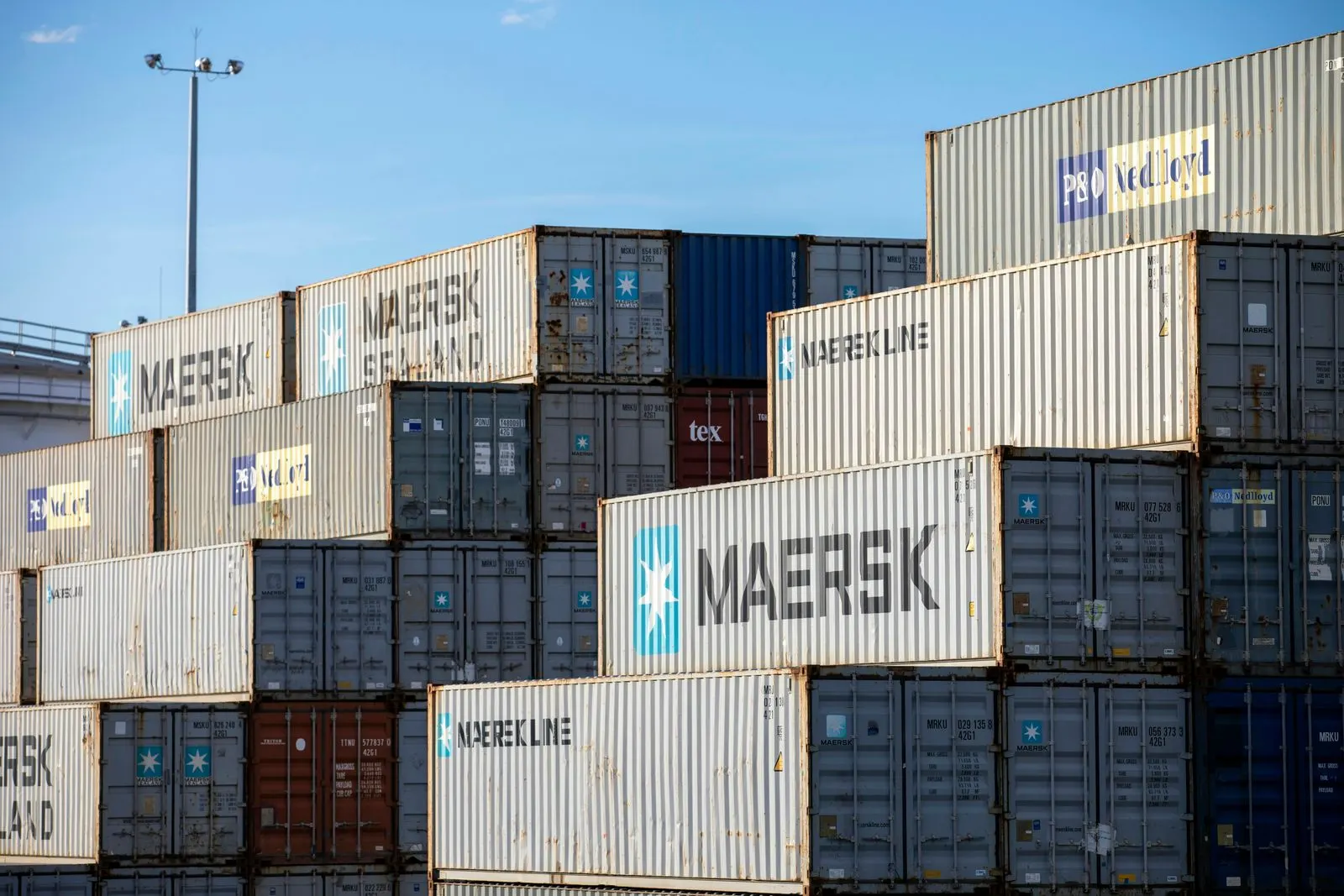
Asbestos has been banned in Australia since December 2003, and the ABF checks goods at the border. This matters for older boats and some overseas-built engines, where gaskets, insulation and brake or clutch linings may contain it. The importer is liable even if they did not know. If there is any doubt, arrange testing before shipping and keep documentation; the ABF has warned that overseas "asbestos free" certification may not satisfy Australian requirements.
Biosecurity: reporting, inspection and timber pests
The Department of Agriculture, Fisheries and Forestry (DAFF) treats every vessel arriving from overseas as subject to biosecurity control. For a non-commercial vessel arriving under its own power, the operator must:
- lodge a Pre-Arrival Report (PAR) through the department's online portal no earlier than 90 days and no later than 12 hours before arriving
- arrive at a designated first point of entry for non-commercial vessels, confirmed on the Biosecurity Status Document issued after the PAR
- stay on board, with nothing unloaded, until pratique is granted
- present the vessel for inspection, and declare food, plant and animal material
As of October 2026 the first points of entry for non-commercial vessels are Darwin; Brisbane, Bundaberg, Cairns, Coral Sea Marina at Airlie Beach, Gladstone, the Gold Coast Broadwater, Mackay, Townsville and Thursday Island/Horn Island in Queensland; Coffs Harbour, Newcastle and Sydney in NSW; Fremantle in WA; and Hobart and Launceston (Bell Bay) in Tasmania. Victoria and South Australia are not on the list, so a boat sailing to Melbourne or Adelaide clears in elsewhere first unless DAFF has given prior written permission.
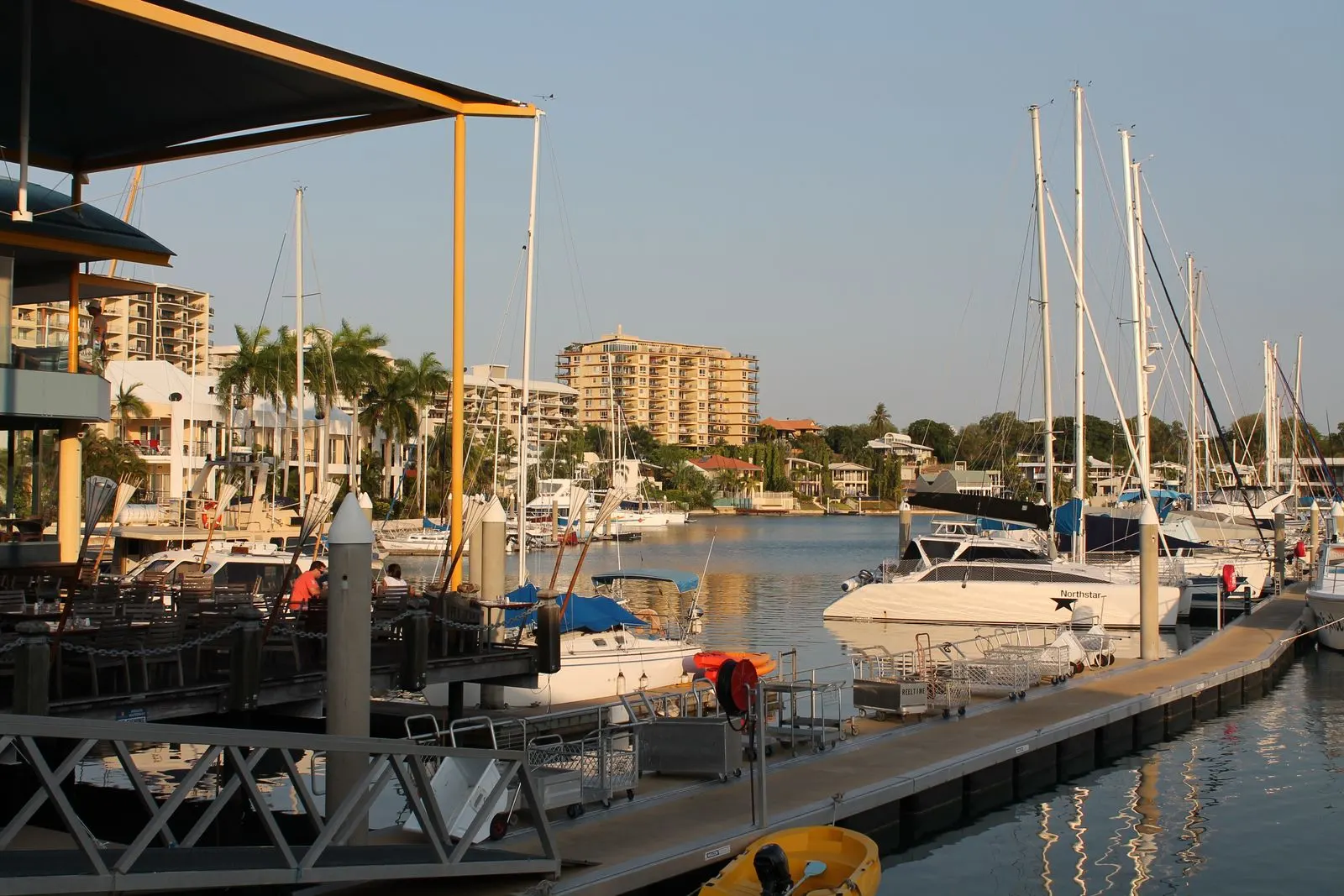
Timber pests get particular attention. DAFF inspects vessels with timber components, including solid timber, marine ply and thick veneers, for termites and other wood-boring pests, and boats that have been refitted or have spent time in higher-risk countries draw closer scrutiny. Every vessel, whether shipped or sailed in, should arrive with documents showing its age, country of manufacture, construction, travel history and any treatments. DAFF says a vessel without that documentation is automatically treated as high risk. For boats arriving as cargo, any packaging, cradles and dunnage must be clean and new or certified as treated.
Antifouling and hull cleanliness
Marine growth on hulls is one of the main ways exotic marine pests reach Australian waters. Under the Australian biofouling management requirements for non-commercial vessels, operators report how biofouling has been managed in the PAR, and from 17 June 2026 DAFF recognises three proactive options:
- a vessel-specific biofouling management plan and record book
- cleaning all biofouling, including niche areas such as sea chests, propellers and shafts, generally within 30 days before arrival, with a cleaning report and photos or video as evidence
- an alternative method approved by DAFF before arrival, applied for at least 30 days ahead
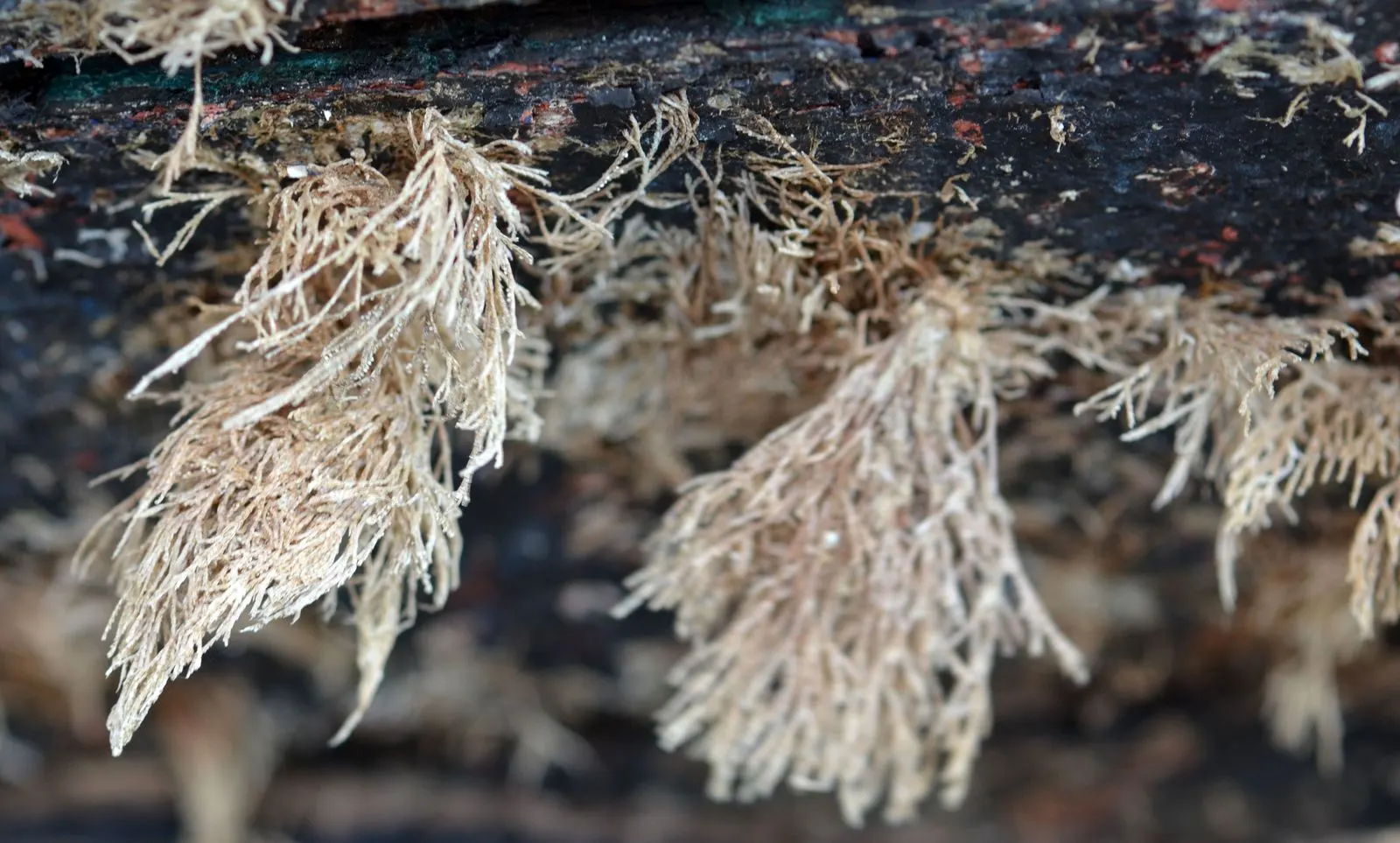
A vessel that cannot show one of these can expect further questions, inspection and possibly directions to clean or leave. For a boat being shipped, the simplest approach is a haul-out, clean and fresh antifoul before it is loaded, with the paperwork kept.
Australian Builders Plate
The Australian Builders Plate (ABP) is a capacity and safety plate showing the maximum number of people, maximum load, engine power limits and buoyancy information. According to the Australian Recreational Boating Safety Committee's FAQs for importers:
- the ABP standard applies to imported boats as well as locally built ones
- a private importer is treated as the builder and must fit the ABP, and must be a legal entity in Australia
- foreign compliance plates such as CE or US plates are not a substitute, except in specific cases for inflatables and personal watercraft
- if the importer is not competent to determine the plate information, they should engage someone who is
New Zealand-built boats can be sold under trans-Tasman mutual recognition, although the committee still recommends fitting an ABP. Exemptions vary by state; WA's list, for example, includes boats over 24 m, most unpowered craft including sailing boats, and boats built before September 2006. This matters at registration: NSW asks for proof of an ABP when registering a powerboat.
Electrical and gas compliance
Electrical. Australian mains power is 230/240 V at 50 Hz. Boats built for the US market typically run 120 V, 60 Hz AC systems, which affects shore-power inlets, battery chargers, air-conditioning, galley appliances and anything with a motor. Recreational boat installations in Australia are covered by AS/NZS 3004.2. A US-built boat should be assessed by a marine electrician before it is plugged into a marina pedestal; the fix can be as simple as an isolation or conversion transformer, or as involved as rewiring and replacing appliances. Ask for a written compliance report, since marinas and insurers may want one.
Gas. LP gas installations on boats are covered by AS/NZS 5601.2. Overseas cylinders, regulators and fittings may not suit Australian refilling and connection standards, and state gas-safety laws require the work to be done by a licensed gasfitter. Have the system inspected and certified before you use it.
Ship it or sail it in
| Option | Suits | Things to weigh |
|---|---|---|
| Container or flat rack | Smaller and trailerable boats | Height and beam limits; cradle and lashing; biosecurity checks on packaging |
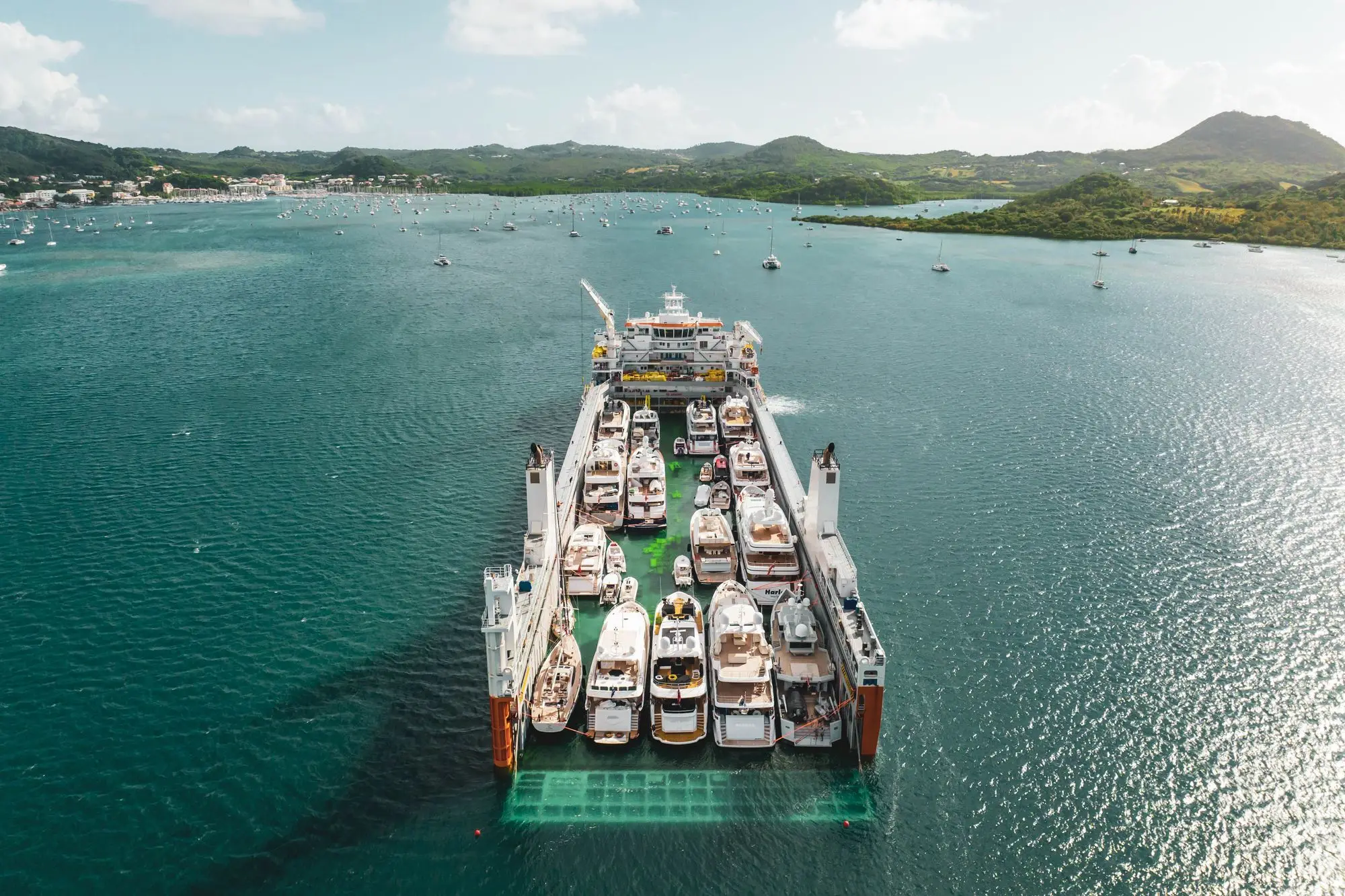
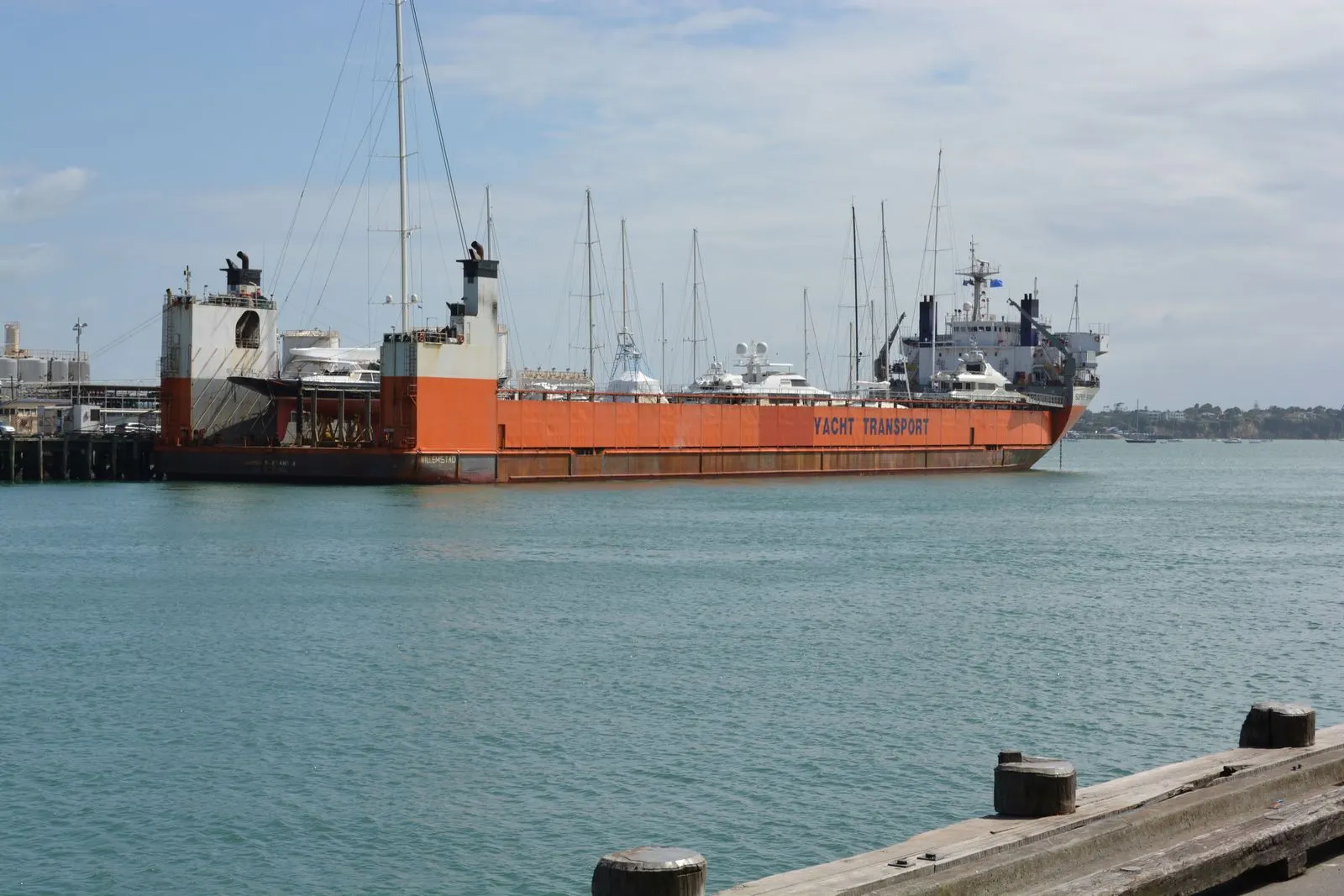
| Deck cargo or yacht transport ship | Larger yachts and motor yachts | Fixed sailing schedules; loading ports; cradle design; insurance in transit |
| Sailing or motoring in | Ocean-capable yachts with experienced crew | Crew, weather windows, ABF and DAFF reporting, clearing in at a first point of entry |
Freight costs vary widely with size, route, method and season, so get several quotes. Whatever the method, insure the boat from the moment risk passes to you under the purchase contract, and check that the policy covers loading, transit and unloading.
If you sail in, the master must give the ABF at least 96 hours' notice of arrival (shorter for shorter voyages), with crew and passenger passport details, the last four ports and the intended first port of arrival. This is separate from the DAFF Pre-Arrival Report.
Visiting yachts and temporary import
Not every foreign yacht arriving in Australia has to pay duty and GST. The ABF allows certain goods to be temporarily imported for up to 12 months without duty or taxes if conditions are met, and says no duties or taxes are payable for vessels cruising Australian waters for private purposes over a short period. The conditions matter:
- the vessel must be exported within the approved time
- it must not be sold, hired, chartered, lent or disposed of without ABF permission
- if the conditions are broken, an amount equal to the duty and taxes becomes payable
A foreign yacht offered for charter or sale in Australia is treated as an import, with duty and GST payable. If you are buying a foreign-flagged yacht that is already here, ask the seller for the ABF clearance documents and confirm whether duty and GST have been paid, because the liability does not disappear with a change of owner.
After clearance: registering the boat
Once the boat is cleared, register it in the state where you will keep it. Expect to provide proof of ownership, customs clearance documents, a HIN and, for most powerboats, evidence of an ABP. Thresholds and processes differ between states; see boat licences and registration by state.
Tip: arrange an Australian pre-purchase survey or, at minimum, an independent overseas survey before you commit. Discovering an electrical rewiring bill or a timber-pest problem after the duty is paid is an expensive way to learn.
Before you look overseas, compare what is already available locally. Search Australian listings or browse by category, and read buying a used yacht in Australia for the domestic purchase process.
Sources
- Australian Border Force, Importing a yacht
- Australian Border Force, Let us know you're coming
- Australian Border Force, Temporary imports
- Australian Border Force, Preferential rules of origin, instructions and guidelines
- Australian Border Force, Bringing super yachts to Australia (fact sheet)
- Department of Agriculture, Fisheries and Forestry, Non-commercial vessel arrival biosecurity reporting
- Department of Agriculture, Fisheries and Forestry, Biofouling, non-commercial vessels
- Department of Agriculture, Fisheries and Forestry, Importing vessels with timber components
- Australian Border Force, Asbestos (prohibited goods)
- Asbestos and Silica Safety and Eradication Agency, Import and export
- Australian Recreational Boating Safety Committee, ABP Standard FAQs, Imported boats (2020)
- Department of Transport and Major Infrastructure (WA), Vessels exempted from ABPs
- Transport for NSW, How to register a vessel
- Standards Australia, AS/NZS 3004.2 Electrical installations, marinas and boats, recreational boat installations
- Standards Australia, AS/NZS 5601.2:2020 LP gas installations in caravans and boats
Information is general and current at the time of writing. Check with the authority or a professional before you rely on it.