Selling your boat: a practical guide for Australian owners
Broker or private sale, pricing from comparables, preparation, a 20-shot photo list, safe viewings and sea trials, and getting to settlement.
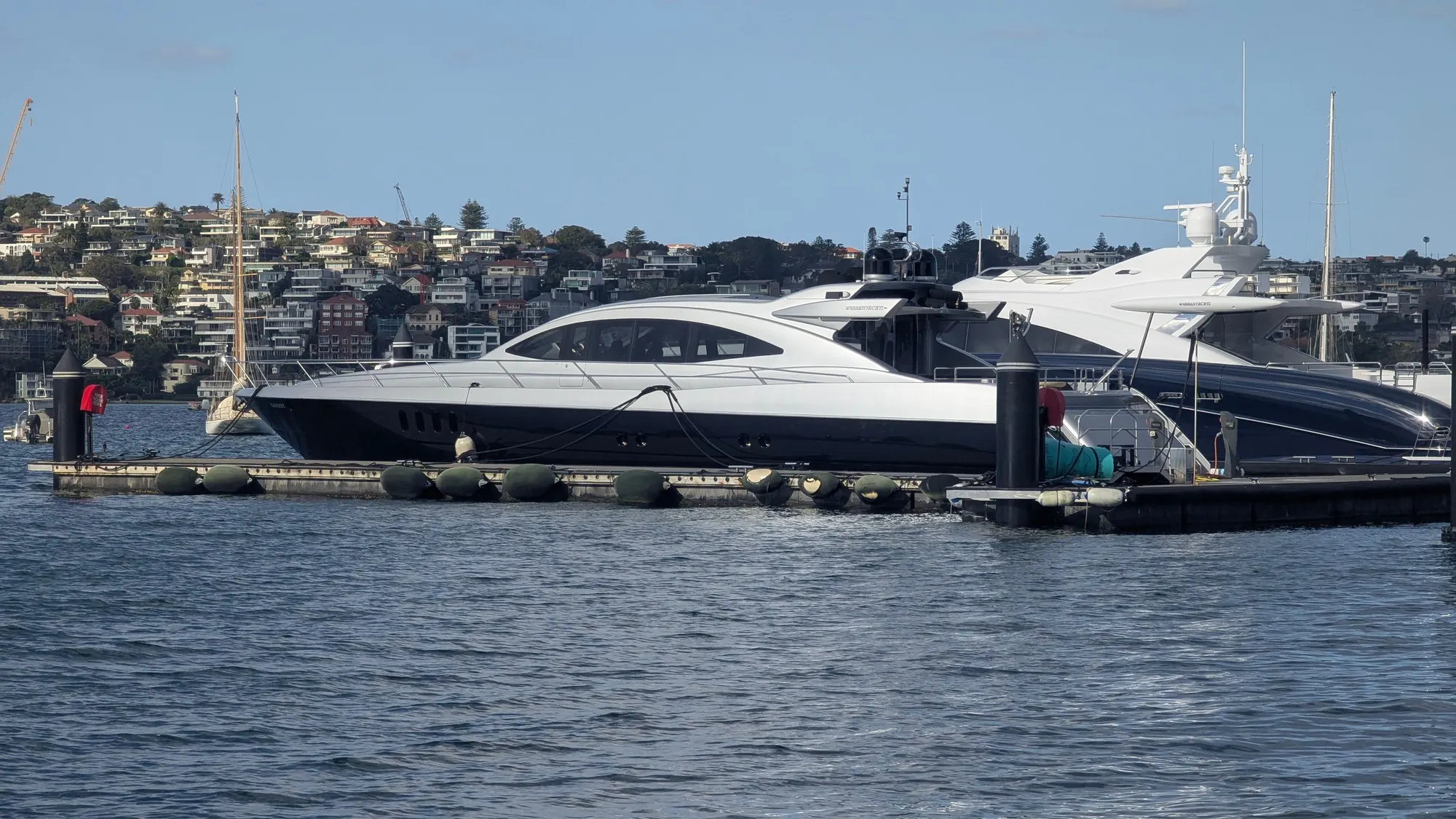
Selling a boat takes longer than most owners expect, and every month on the market costs berth fees, insurance and maintenance. The boats that sell quickly are rarely the cheapest. They are priced in line with the market, presented well, photographed properly and backed by clean paperwork. This guide covers each step, from choosing between a broker and a private sale to handing over the keys, as of October 2026.
Broker or private sale
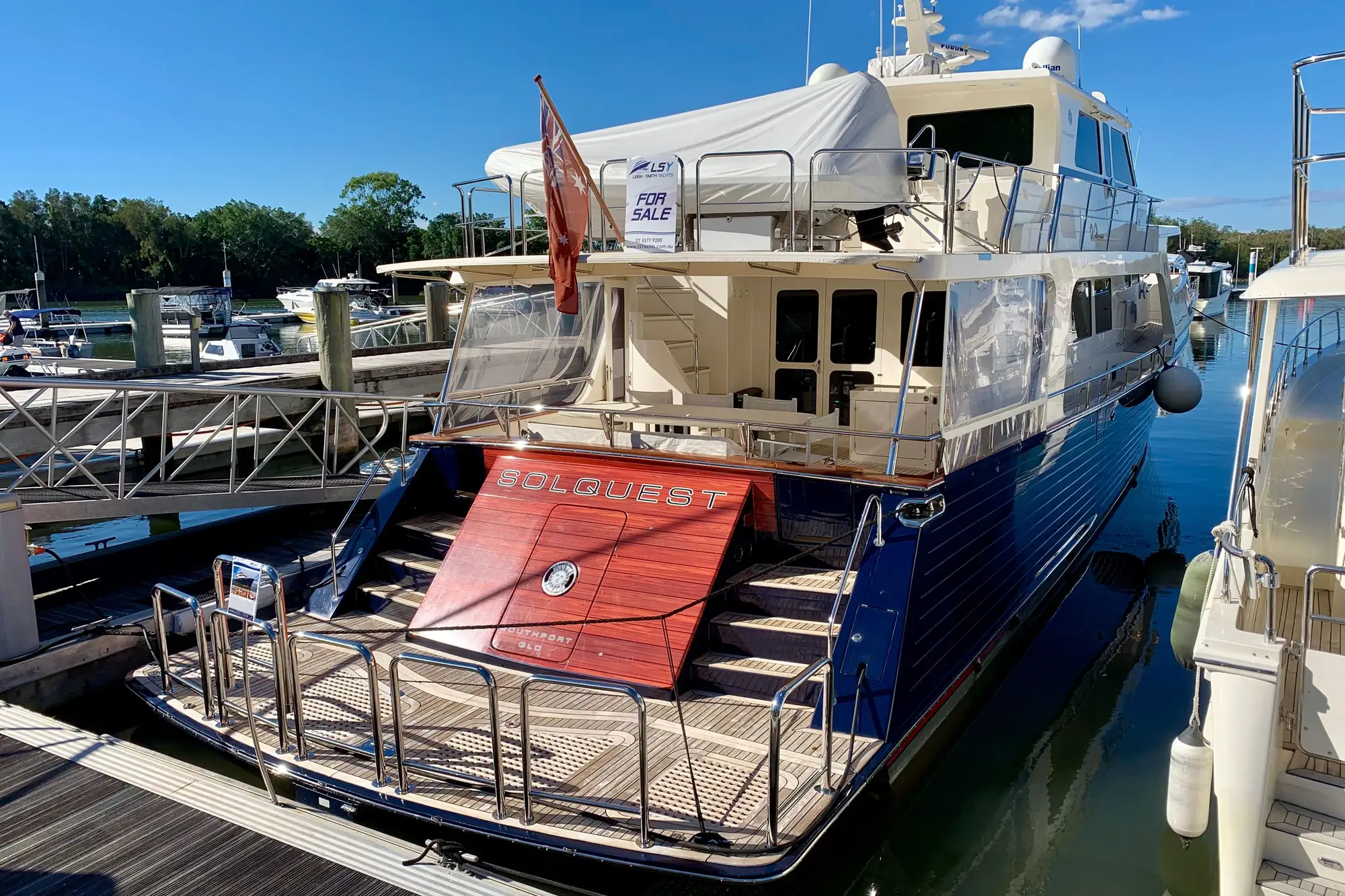
A broker takes on most of the work: valuing the boat against recent sales, preparing and marketing the listing, fielding enquiries, screening buyers, conducting viewings and sea trials, negotiating, holding the deposit, coordinating the survey and managing settlement. Many larger yachts are berthed at a broker's marina for the duration of the listing, which makes inspections easy.
Commission in Australia is negotiated, not regulated, and is paid by the seller only when the boat sells. Rates of 5 to 10 per cent of the sale price are commonly quoted. Read the listing agreement carefully before you sign it: check the commission rate, the length of the exclusive period, what happens if you find a buyer yourself, who pays for advertising and berthing, and how you can end the agreement. A Noonsite account of a sale in Australia is a reminder that the agreement's terms can be enforced against the seller.
Boat broking has little specific regulation in Australia, but the Boating Industry Association runs a Marine Broker Accreditation program. Accredited brokerages agree to the BIA Code of Practice, use approved documentation, hold client funds in a trust-style bank account, take part in dispute resolution and are subject to compliance audits. Asking whether a broker is accredited is a sensible first filter.
| Broker | Private sale | |
|---|---|---|
| Cost | Commission on the sale price | Advertising and your own time |
| Pricing advice | Access to recent sale prices | Asking prices only |
| Enquiries and viewings | Handled for you | You handle them |
| Buyer screening | Broker qualifies buyers | You do it |
| Deposit | Held in the broker's trust-style account | Needs an agreed holder, such as a solicitor |
| Best for | Larger, higher-value boats; owners who live far from the boat | Smaller, simpler boats; owners with time and nearby access |
Private sale suits trailer boats, smaller cruisers and day sailers, and owners who live near the boat and have time to show it. For larger and more valuable boats, many owners find a broker's commission is offset by a faster sale and a firmer price.
Pricing it right
Start with comparable listings. Search for the same make and model, then widen to similar boats of the same length, age and type. Note asking prices, engine hours, recent refits and how long each boat has been listed. A boat that has sat on the market for a year at the same price is probably overpriced. Use search and the category pages such as flybridge or sailing monohull to build your list.
Remember that asking prices are not sale prices. A broker can tell you what similar boats actually sold for. Adjust for what makes your boat better or worse than the comparables: new engines or rig, recent electronics, a fresh antifoul, or deferred maintenance a buyer's surveyor will find.
A well-priced boat attracts several buyers, and several buyers protect your price.
Overpricing costs more than berth fees. Boats that sit unsold become stale listings, and buyers start to ask what is wrong with them. Price to sell, and leave a modest margin for negotiation.
Preparing the boat
Buyers form their impression in the first few minutes on board. Spend the money on presentation before the photos are taken.
- Remove personal items, spare gear you will not include, and clutter from lockers and cabins.
- Have the boat professionally detailed: hull cut and polish, deck clean, upholstery and carpets cleaned, stainless polished.
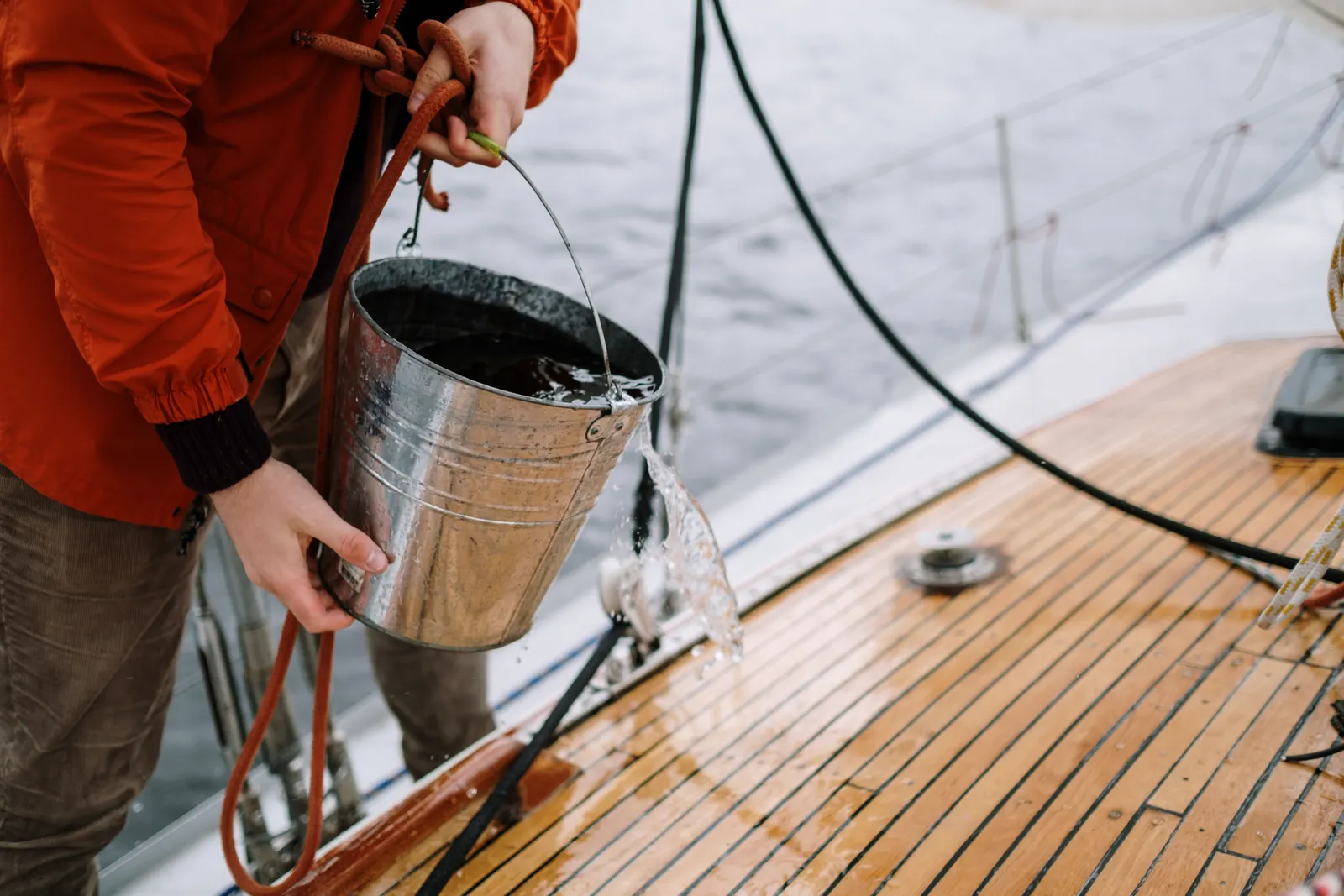
- Clean the bilges and engine room. A clean engine room suggests a well-maintained boat.
- Get the engines serviced and keep the records ready. Make sure the batteries are charged and the engines start promptly.
- Fix known faults: leaking hatches, broken instruments, tired clears. Buyers discount heavily for small, visible problems.
- Consider a fresh antifoul if the bottom is due.
- Check the safety gear is in date: flares, EPIRB, fire extinguishers and liferaft service.
Get the paperwork together at the same time: registration certificate, hull identification number, builder's and owner's manuals, service and refit records, previous survey reports, a gas compliance certificate if the boat has an LPG installation, and any finance payout figure. If the boat is under finance, arrange with the lender how it will be discharged at settlement. Our guide to boat licences and registration by state covers state-specific requirements.
The 20-shot photo list
Good photos generate more enquiries than any line of description. Shoot on a bright, still day, in the morning or late afternoon, with the boat clean and the covers off. Use a wide but not distorting lens, keep the horizon level, and turn on the cabin lights for interiors.
- Hero shot: three-quarter bow view, on the water if possible
- Full profile, port or starboard side, showing the whole boat
- Stern view, including the swim platform and transom
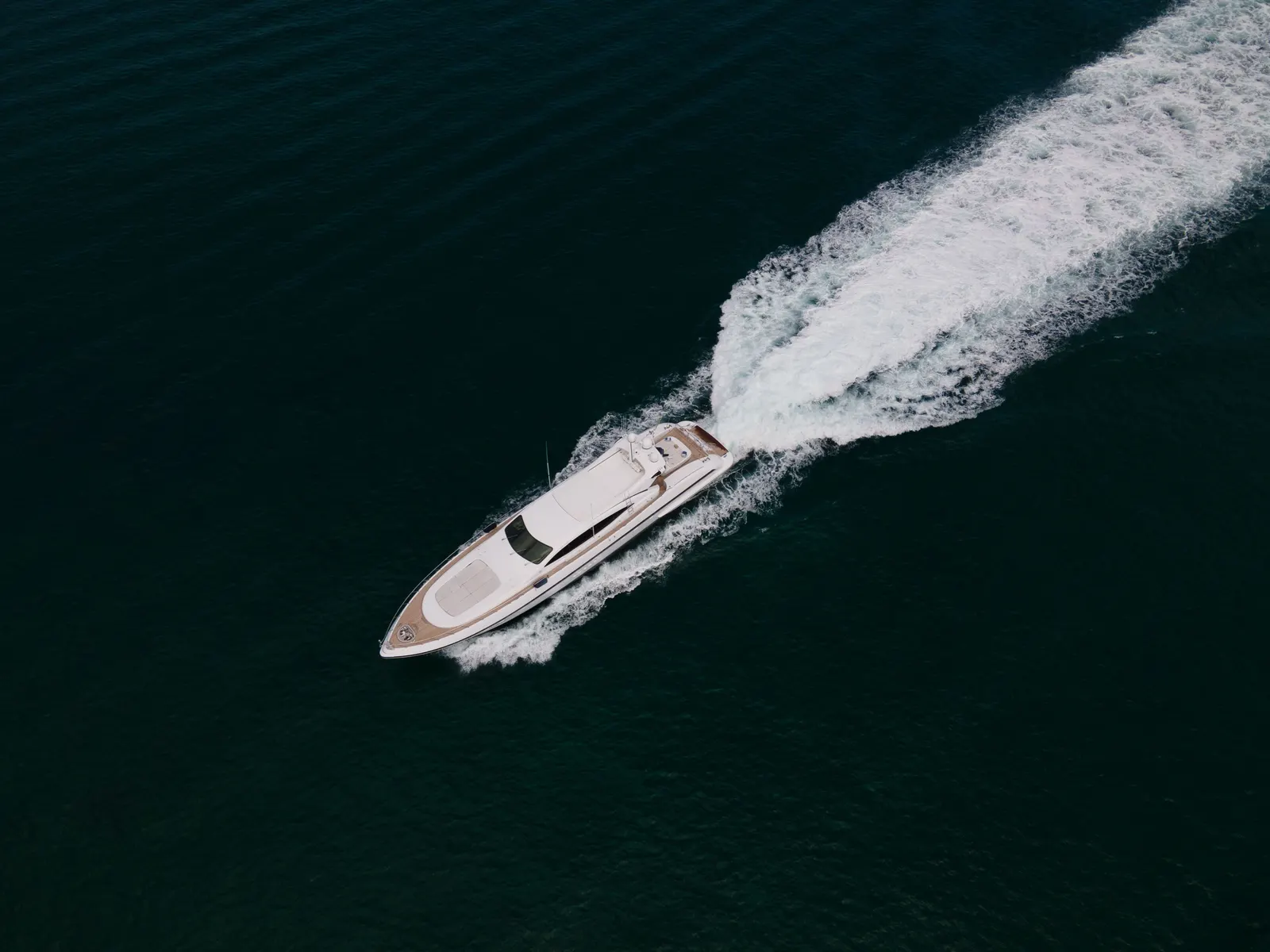
- Running shot taken from another boat or a drone
- Cockpit looking aft
- Cockpit looking forward into the saloon
- Saloon, wide view from the entry
- Saloon from the opposite end
- Galley
- Helm station, showing the electronics
- Flybridge or second helm, if fitted
- Master cabin
- Guest cabins
- Bathrooms
- Engine room or engine bay, cleaned
- Electronics and switch panels, close up
- Foredeck and ground tackle
- Rig and deck gear on a yacht, or tender and davits on a motor boat
- Hull below the waterline from the hardstand, if recently antifouled
- A detail that sets the boat apart: new canvas, upgraded tender, gyro stabiliser
Writing the description
Lead with the facts a buyer filters on: make, model, year, length, engines and hours, location and price. Then explain why this boat is a good one, in plain language and with specifics. "Twin Volvo D6 435s with 820 hours, serviced annually by the dealer, full records" means more to a buyer than "immaculate, must be seen".
List major upgrades with dates, the electronics fit, the tender and any inclusions. Be honest about known issues: a buyer's surveyor will find them, and disclosing them early builds trust and avoids a renegotiation later. Finish with how to arrange an inspection.
Handling enquiries
Reply promptly and keep a record of every enquiry. Serious buyers usually ask specific questions about hours, history and survey availability. Be wary of buyers who offer to pay more than the asking price, propose overseas payment arrangements or agents, or want to buy sight unseen and arrange their own shipper. Those are classic scam patterns.
Verify a buyer's identity before you share personal details or your home address. Show the boat at its berth, not at your house. Never release the keys, the registration papers or the boat until cleared funds are in your account.
Viewings and sea trials
For viewings, be on board, keep the boat open and aired, have the engines warm and the batteries charged, and have the records on the saloon table. Let buyers look in every locker.
A sea trial usually comes after an offer is accepted, subject to survey and sea trial. Plan it as carefully as any trip:
- You, your broker or a licensed skipper you nominate should be in command.
- Confirm with your insurer that you are covered for a sea trial with prospective buyers aboard.
- Limit the number of people on board and brief everyone on lifejackets and safety gear.
- If a buyer takes the helm, stay beside them and take back control in close quarters.
- Agree beforehand who pays for fuel and any haul-out the surveyor needs.
Deposits, contracts and settlement
Once a price is agreed, put it in writing. A typical sale agreement records the parties, the vessel and its identifiers, the price, the deposit, inclusions, the conditions (usually a satisfactory survey and sea trial by a set date), the settlement date and what happens if a condition is not met. Brokers use standard agreements. In a private sale, consider having a solicitor prepare or review one.
A deposit of around 10 per cent is common once a price is agreed, refundable if the buyer withdraws because the survey or sea trial is unsatisfactory. Hold it in a broker's trust-style account or with a solicitor, not in the seller's personal account. If the survey finds a significant defect, expect the buyer to renegotiate. Minor issues should not change the price.
At settlement, the balance is paid in cleared funds, any finance is discharged, and you hand over the keys, manuals, spares and signed registration documents with a bill of sale. Then attend to the formalities:
- Notify the registering authority. In New South Wales the seller must lodge a notice of disposal within 14 days of the sale, and the buyer has 14 days to transfer the registration. In Queensland the transfer is made on TMR's ship registration transfer form, which both parties complete; keep your copy as proof of the sale. Other states have their own forms and deadlines.
- Cancel or transfer your insurance from the time of settlement.
- Tell the marina and arrange the berth transfer or termination.
- Keep copies of every sale document, including the bill of sale and receipts.
Tip: Until the buyer transfers the registration, you can remain liable for fines incurred on the boat. Lodge the disposal notice on the day of settlement.

If you are buying your next boat, our checklist for buying a used yacht in Australia and guide to pre-purchase surveys and sea trials show the process from the other side. Selling a boat that is overseas or bringing one home? See importing a boat into Australia. For finance and cover on the next one, read boat finance and insurance, and if you are weighing a different style of boat, start with flybridge, sports yacht or motor yacht.
Sources
- Boating Industry Association, Marine Broker Accreditation program
- Boating Industry Association, Code of Practice
- NSW Government, Transfer vessel registration
- Queensland Transport and Main Roads, Queensland Regulated Ship Registration Transfer Application (form F3521)
- Afloat, Tips for selling your boat
- Noonsite, Bad experience selling a boat in Australia
Information is general and current at the time of writing. Check with the authority or a professional before you rely on it.