Marina berths in Australia: renting, buying and what they cost
Monthly berth costs in Sydney, the Gold Coast, Brisbane, Melbourne, Perth, Hobart and the Whitsundays, plus moorings, dry stack and the questions to ask.
Finding somewhere to keep the boat is often harder than finding the boat. In the popular harbours, good berths are scarce, waiting lists are long and the rate card is only part of the cost. This guide sets out the ways you can secure a berth in Australia, what a 12 to 15 m boat costs to keep in each major boating centre as of October 2026, and the alternatives when a marina is full or too dear.
Renting, licensing or buying
There are three common arrangements, and the words get used loosely, so read the agreement rather than the advertisement.
Renting from the marina. You sign a berth agreement with the operator, usually monthly, six-monthly or annual, and pay in advance. This is how most club marinas and many commercial marinas work. You have no capital tied up and you can leave on notice, but the operator can raise the rate each year and you are not guaranteed the same berth.
Buying a licence or leasehold. In many marinas, particularly newer developments and those on leased Crown or port land, you can buy the right to use a specific berth for a long term. Advertised terms range from a few years left on a sub-lease to licences of several decades. You pay a lump sum up front, then annual or quarterly outgoings to the marina for maintenance, management and services. You can usually sell or sub-let the berth, subject to the operator's approval. The right ends when the term ends, and the term can be no longer than the marina operator's own lease over the water.
Freehold berths. These exist, mostly on private canal estates and in some Queensland and Northern Territory marinas, where the berth is a titled lot. They behave more like property, with body corporate levies instead of marina fees.
Before you buy any berth, establish how many years remain on the licence and on the head lease above it, what the annual outgoings were for the last three years, whether the outgoings can be raised and by how much, what happens at the end of the term, and whether you can sub-let. Have a solicitor read the documents. A berth with ten years left is a very different asset from one with forty.
What a berth costs in each city
The figures below are taken from rate cards the marinas and clubs publish. They are the best public guide to the market, though they lean towards club marinas, which publish more readily than commercial ones. Club rates usually require membership on top.
Sydney
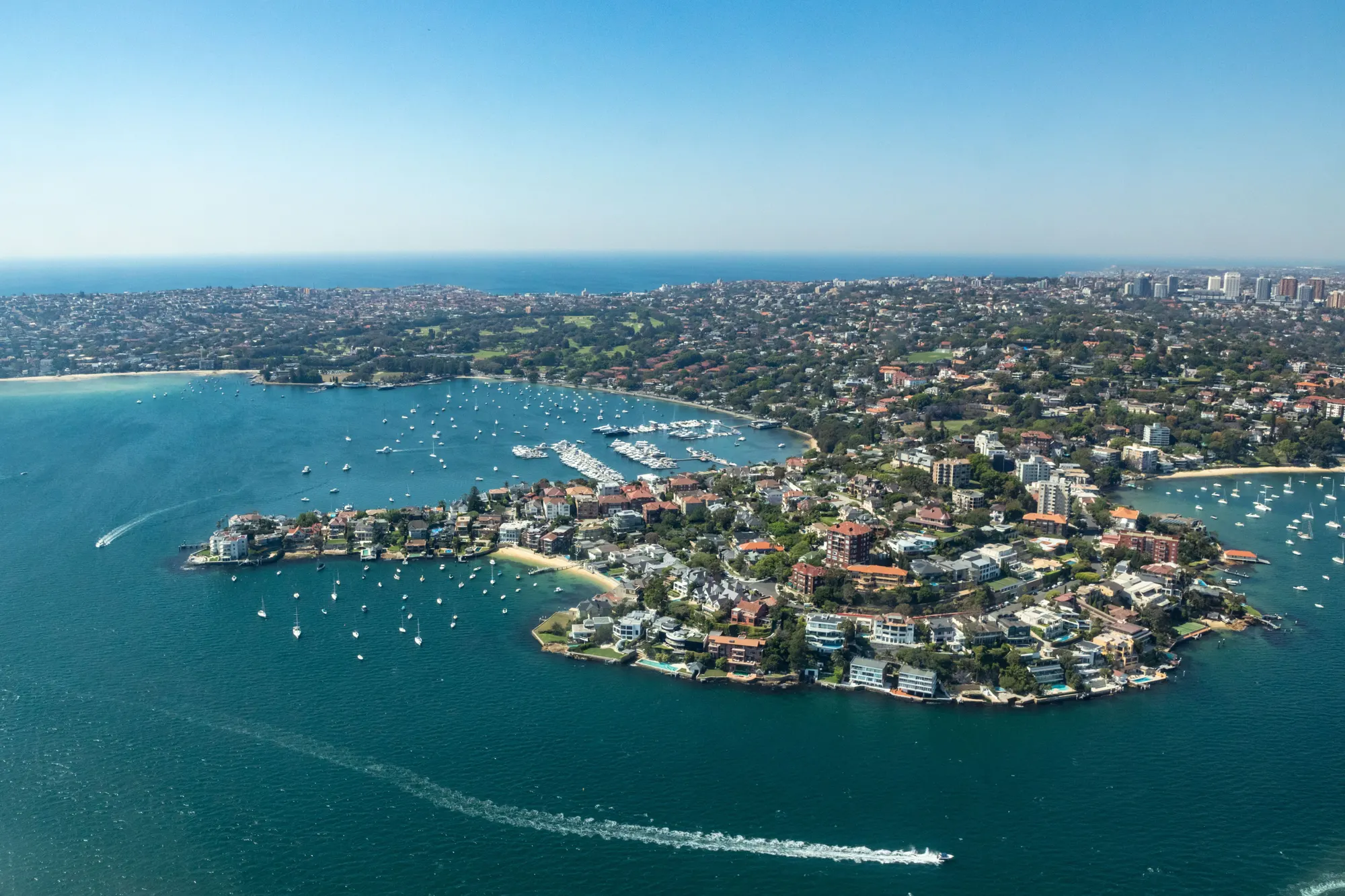
Sydney Harbour has the highest demand and the least published pricing. Most harbour marinas quote on application, and many berths are held by private licensees who sub-let them. Expect inner-harbour and eastern-suburbs berths to cost considerably more than the rest of the city.
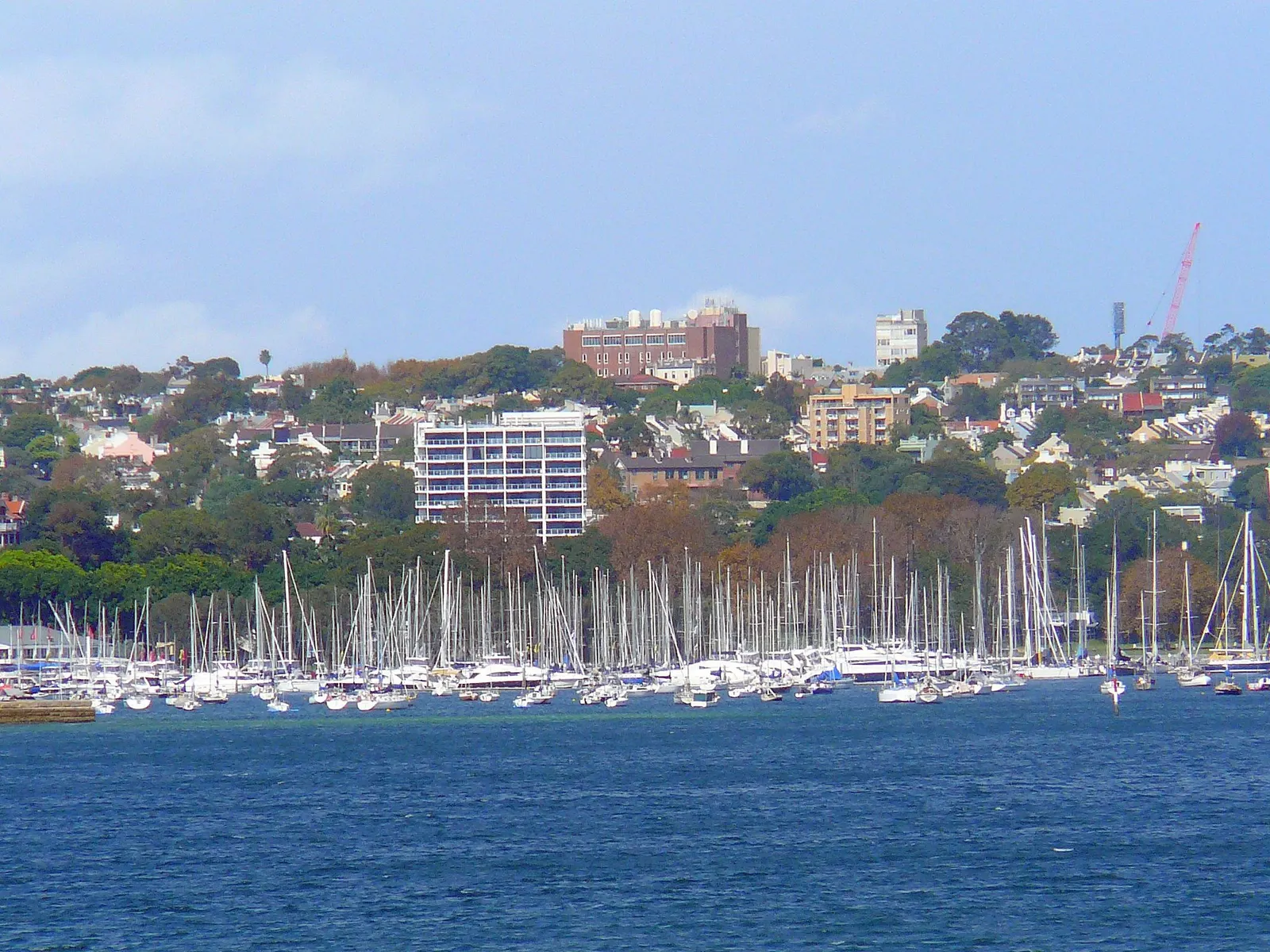
Pittwater gives a published benchmark. Royal Prince Alfred Yacht Club's 2025 list charges members A$30.35 per foot per month for a permanent marina berth, minimum six months, which is about A$1,490 a month for a 49 ft boat. Casual berths for 41 to 50 ft boats cost A$1,560 a month for members and A$2,090 for non-members.
Gold Coast
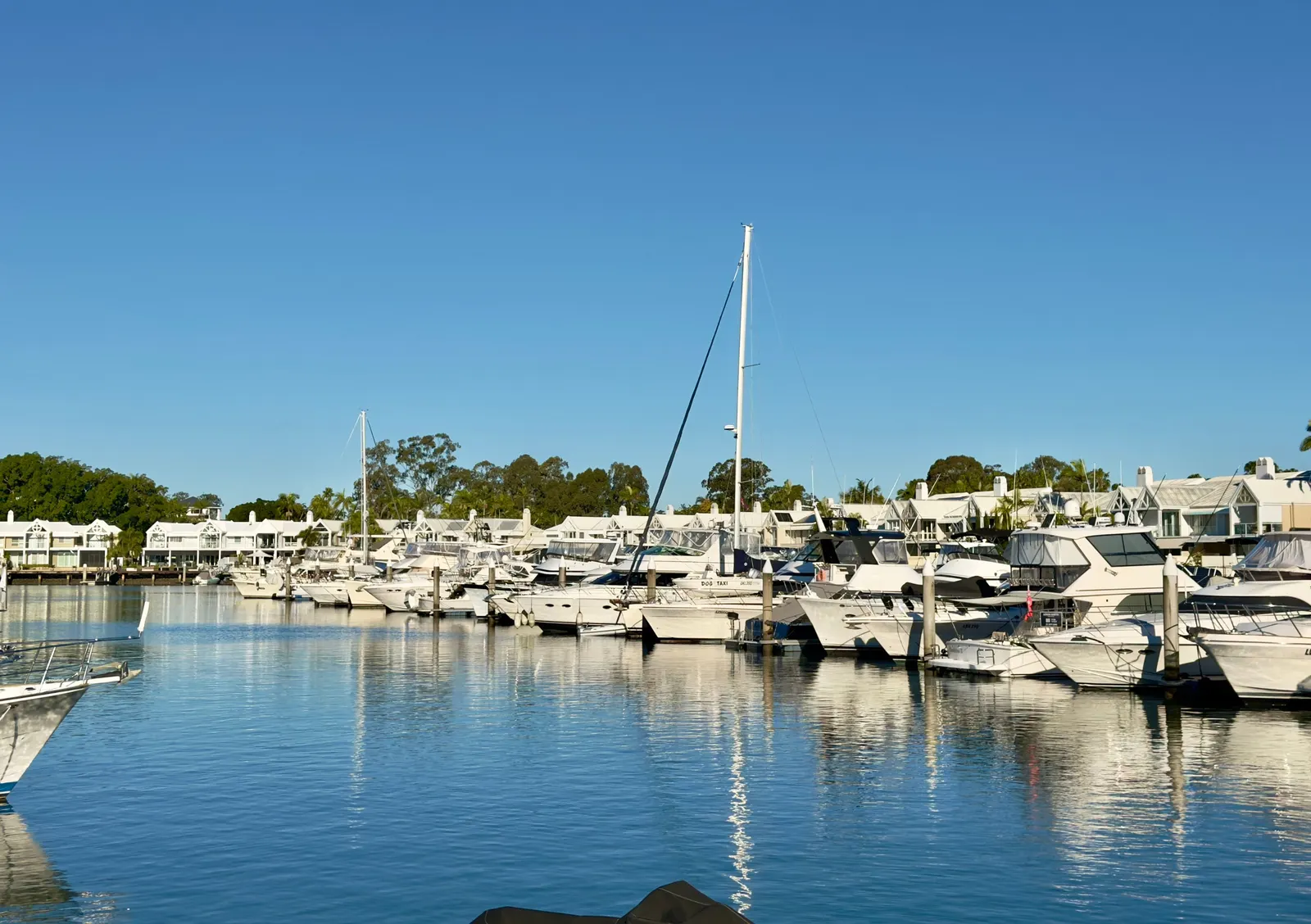
Southport Yacht Club's rates from 1 May 2026, including GST, are among the most detailed in the country. A Gold member pays A$1,039 a month for a 12.2 m double pen and A$1,186 a month for a 15 m double pen. A 15 m single or wide berth is A$1,406 a month. Visitors pay A$1,930 a month for the same 15 m double pen. Members on a 12-month agreement pay A$10,230 a year for 15 m.
Brisbane
Royal Queensland Yacht Squadron at Manly publishes monthly rates for monohulls: A$1,121 for 12 m, A$1,464 for 15 m and A$2,337 for 20 m, as of November 2025. Visitors also pay an access fee of A$121 a month, and after 30 days in a casual berth you must join or leave. Multihulls pay more: A$2,196 a month for a 15 m berth.
Melbourne
Port Phillip is the cheapest of the big markets. Royal Yacht Club of Victoria at Williamstown charges A$542 a month for a 12 to 13 m berth and A$652 a month for 14 to 15 m from 1 July 2026. Royal Brighton Yacht Club's 2026/27 annual berthing for senior members is A$9,507 for 12 m and A$11,941 for 15 m, including a maintenance fee. Its casual rate for a 15 m berth is A$1,290 a month.
Perth
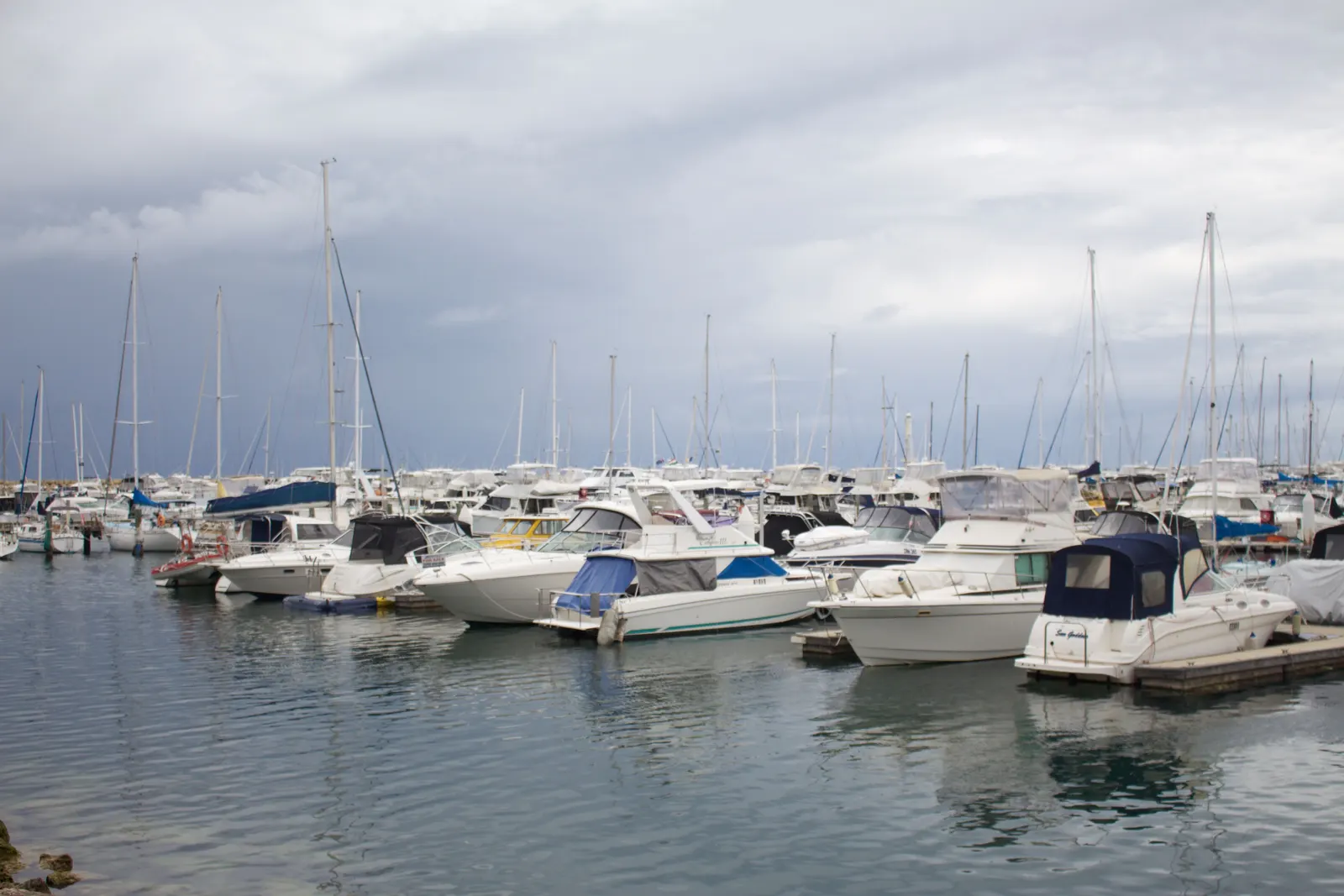
At Hillarys Boat Harbour, run by the WA Department of Transport, pens are charged per metre. For 2026/27, a 12-month pen costs A$758 per metre, which is A$11,370 for 15 m, or about A$948 a month. Three months or more is A$69.15 per metre a month, and a single month A$113.70 per metre. Electricity and water are metered and charged on top. The department says pens are always in high demand, and you join a wait list through the harbour office.
Hobart
We could not find a current published rate card for a Hobart marina. The Royal Yacht Club of Tasmania at Sandy Bay, the Motor Yacht Club of Tasmania at Lindisfarne and the Derwent's other clubs price berths through membership and quote on application. The Motor Yacht Club of Tasmania runs a marina wait list. Call the club offices and ask for both the berth fee and the membership cost.
Whitsundays
Hamilton Island Marina's rates from 1 April 2025 are seasonal. A 12 m monohull berth costs A$1,930 a month from December to May and A$2,590 from June to November. For 15 m it is A$2,175 and A$2,955. The annual rate is A$16,335 for 12 m and A$20,285 for 15 m. High-season bookings have a two-month minimum, single berths attract a 25 per cent surcharge, and three-phase power is extra.
Summary for a 15 m monohull
| Location | Marina | Monthly (A$) | Basis |
|---|---|---|---|
| Melbourne | Royal Yacht Club of Victoria | 652 | 14–15 m, from 1 July 2026 |
| Perth | Hillarys Boat Harbour | 948 | 12-month rate divided by 12, 2026/27 |
| Gold Coast | Southport Yacht Club | 1,186 | Gold member, double pen, from 1 May 2026 |
| Melbourne | Royal Brighton Yacht Club | 1,290 | Casual, 2026/27 |
| Brisbane | Royal Queensland Yacht Squadron | 1,464 | November 2025 |
| Sydney (Pittwater) | Royal Prince Alfred Yacht Club | 1,490 | Member permanent, A$30.35/ft, 49 ft |
| Whitsundays | Hamilton Island Marina | 2,175–2,955 | Low and high season, from 1 April 2025 |
| Hobart | Club marinas | On application | No published card found |
What drives the spread: location and demand above all, then the type of berth (double pens are cheaper than single or T-head berths), membership versus visitor rates, the length of the commitment, and the services included.
Swing moorings
A mooring costs far less than a marina berth, but you need a tender to get aboard, the boat is more exposed to weather, and you will not have shore power. In NSW, Transport for NSW issues private mooring licences. The annual fee depends on area and length: for a 14 to 15 m boat it is A$3,324 in the high-demand area of eastern Sydney Harbour, A$2,150 in the rest of Sydney and Pittwater, and A$985 elsewhere in the state. On top of the licence you pay to buy, install and service the mooring apparatus, and a mooring contractor must confirm it suits your boat.
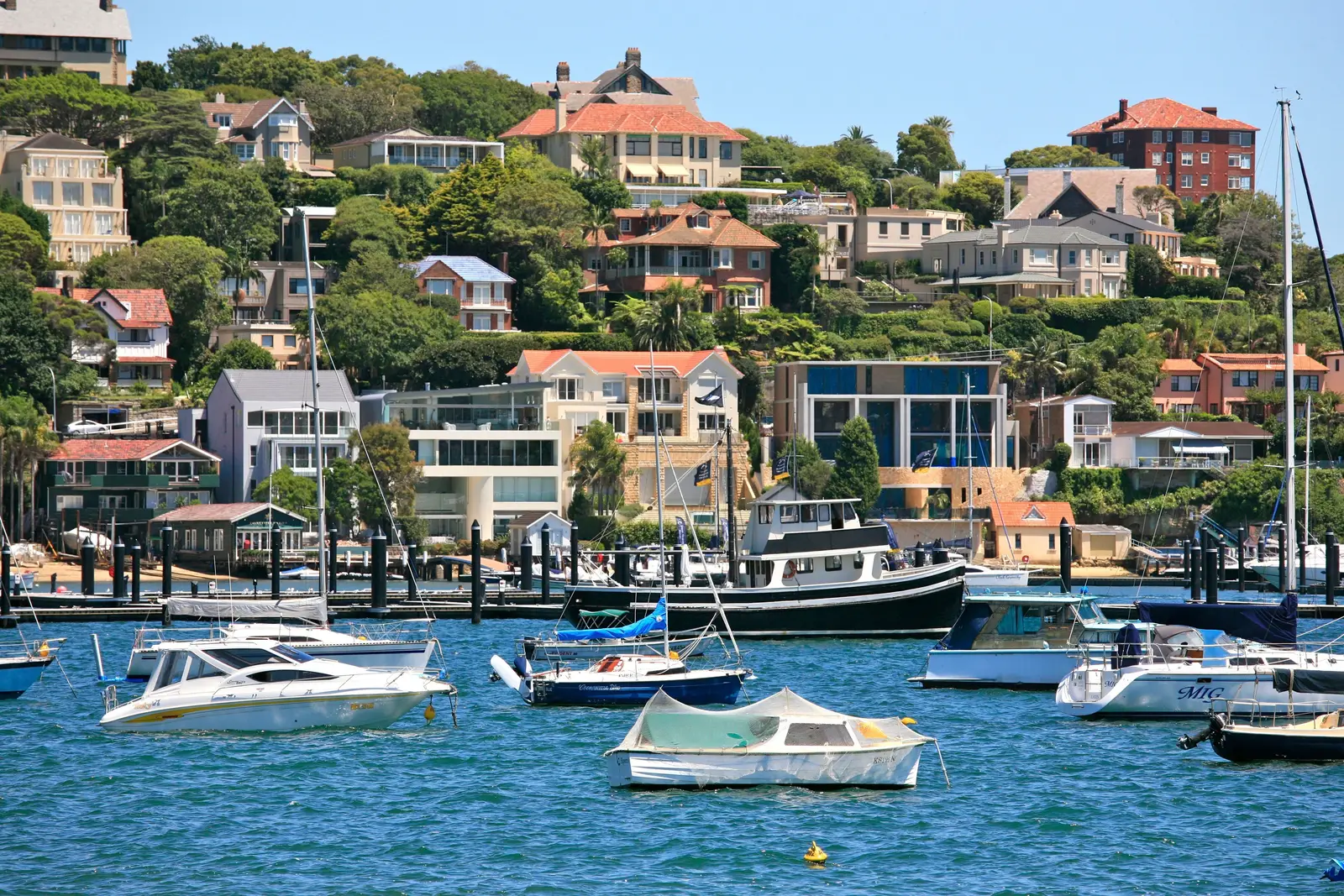
Getting a licence in a popular area is the hard part. Most of Sydney Harbour and Pittwater operate priority wait lists, with an initial wait list fee of A$664 in the high-demand area. When your name comes up you have 14 days to respond. Licences in priority wait list areas generally cannot be transferred with the boat when you sell it, and no NSW private mooring licence can be sub-let. Clubs offer an alternative: Southport Yacht Club charges A$420 a month for a swing mooring, and Royal Prince Alfred Yacht Club charges members A$16.85 per foot per month. Insurers may restrict cover on moorings in cyclone areas, which our finance and insurance guide explains.
Dry stack storage
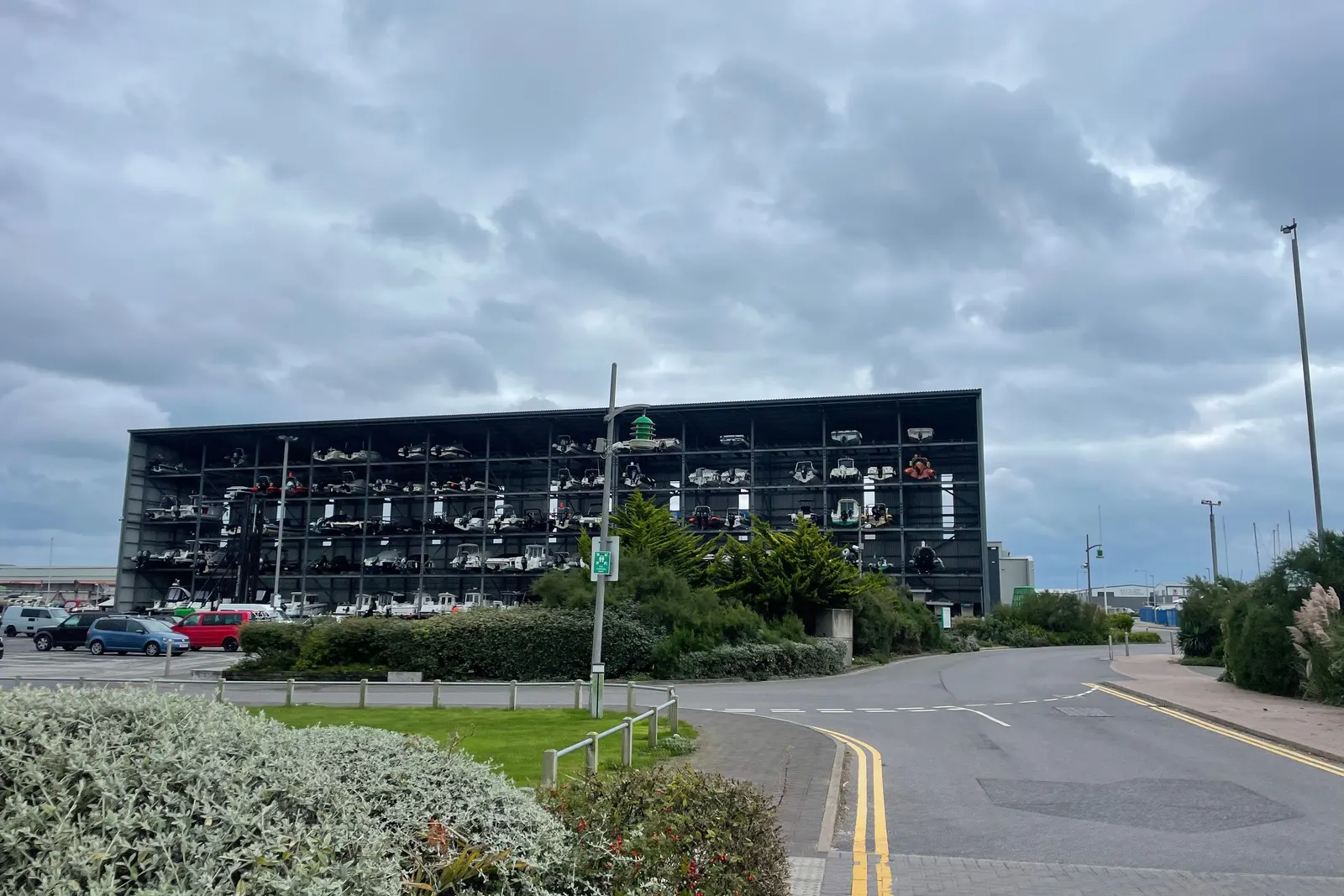
Dry stack marinas keep boats in a multi-level rack and launch them by forklift when you call ahead. The boat stays clean and dry, needs no antifouling, and is protected from storms. The limits are size and weight: the forklift and racks set a maximum length, beam and weight, and most facilities are built for trailer-sized boats and small cruisers rather than flybridge yachts. Pricing is normally per foot per month, often with a set number of launches included. Ask how much notice the operator needs, its hours, and whether weekend launches are rationed.
Waiting lists
Popular marinas in Sydney, Pittwater, Perth and parts of south-east Queensland run waiting lists, and some take years. Join several lists early, ideally before you buy the boat, and keep your details current, as some lists drop applicants who do not respond to a renewal notice. Clubs often give berths to members first, so membership can be the quickest route. A sub-let from a licence holder can fill the gap, but get the marina's written consent and a copy of the head agreement.
What's included and what isn't
Rate cards rarely include everything. Check for these:
- Power: single-phase is often included, three-phase is usually metered, and extra leads may be charged
- Water: included at many club marinas, metered at government harbours such as Hillarys
- Pump-out: whether there is one on site, and whether it is free to berth holders
- Measurement: most marinas charge on overall length including platforms, davits and bowsprits
- Insurance: marinas require proof of cover, and many require a minimum public liability limit
- Membership, access and parking fees, liveaboard charges and GST
Questions to ask before you sign
- What is the berth's length, width and depth at the lowest tide, and is it a double pen, single berth or T-head?
- How is the boat measured, and which band will it fall into?
- What does the rate include, and what are the power, water and pump-out charges?
- How much notice is needed to leave, and is any part of the fee refundable?
- How often have rates risen over the past three years?
- What insurance and public liability limit does the marina require?
- What is the marina's storm and cyclone plan, and who moves the boat if you are away?
- Can contractors work on the boat in the berth, and on what conditions?
- For a licence: how many years remain, what are the outgoings, and can you sub-let or sell?
The berth will be one of your biggest annual costs, so build it into the numbers before you buy. Our annual cost guide for a 15 m flybridge puts it alongside insurance, servicing and fuel. When you are ready, search boats for sale by location, or browse by category.
Sources
- Southport Yacht Club, Marina rates from 1 May 2026
- Royal Queensland Yacht Squadron, Berth rental rates, November 2025
- Royal Prince Alfred Yacht Club, Storage rates 2025
- Royal Brighton Yacht Club, Marina fees 1 July 2026 to 30 June 2027
- Royal Yacht Club of Victoria, Storage charges from 1 July 2026
- Department of Transport WA, Hillarys Boat Harbour fees and charges
- Hamilton Island Marina, Marina berth fees from 1 April 2025
- Transport for NSW, Mooring fees and charges
- Transport for NSW, Private mooring licence and rules
- Royal Yacht Club of Tasmania, Marina information
- Motor Yacht Club of Tasmania, Marina and memberships
Information is general and current at the time of writing. Check with the authority or a professional before you rely on it.