Boat finance and insurance in Australia
How secured boat loans, deposits, balloons and lender valuations work, and how to insure a cruiser properly, including cyclone conditions in the north.
Few people buy a cruiser without either borrowing for it or insuring it, and most do both. The two are linked: lenders want the boat insured, insurers want to know the boat's value and condition, and both will ask for evidence you might not have thought to gather. This guide explains how marine finance and insurance work in Australia as of October 2026 and where the traps are. It is general information, not personal financial advice: talk to a licensed adviser or broker about your own circumstances.
Secured boat loans
A secured boat loan uses the boat as security. If you stop paying, the lender can repossess and sell it. Because the lender has that security, rates are lower and terms longer than for an unsecured personal loan. Money.com.au describes the usual structure: secured loans generally offer lower rates, larger amounts and longer terms, while unsecured loans cost more and typically stop at around A$100,000.
Published examples, as of October 2026:
| Lender | Product | Rate | Term | Amount |
|---|---|---|---|---|
| RACQ Bank | Secured boat loan | 8.19% p.a. (comparison 8.36% p.a.) | Up to 7 years new, 5 years used | A$3,000 to A$100,000 |
| Pepper Money | Watercraft loan | Not shown on the product page | 1 to 7 years | A$5,000 to A$100,000 |
| Stratton Finance (via Finder) | Boat loan | 6.73% to 18% p.a. | Varies | Varies |
RACQ's comparison rate is based on a A$30,000 secured loan over five years. RACQ charges no establishment fee but a A$120 document fee. Pepper charges a A$499 establishment fee and A$8.90 a month. Rates move with the cash rate and with your own credit profile, so treat these as examples.
Note: many retail boat loans stop at A$100,000. For a larger cruiser, borrowers usually go through a specialist marine finance broker, a private bank, or a business finance product if the boat has a genuine business use. Ask your accountant before using a business structure for a boat.
Deposits, terms and balloons
Some lenders will finance the whole purchase price with no deposit for an approved borrower and a newer boat; both RACQ and Pepper advertise this. On larger, older or privately sold boats, lenders more often ask for a deposit, commonly in the range of 10 to 20 per cent, and a bigger deposit can improve the rate and the lender's appetite. Money.com.au reports that most boat loans run between one and seven years, with five the most common, and that some lenders offer up to ten.
A balloon (or residual) is a lump sum left owing at the end of the term. It lowers the monthly repayments but leaves you with a large bill, which you pay out, refinance, or clear by selling the boat. Pepper offers balloons only on new, demonstrator or watercraft less than a year old. Before you take a large balloon, check how much a boat of that model and age has been worth at the end of comparable terms. If the boat is worth less than the balloon, you will be paying the difference.
How lenders value boats
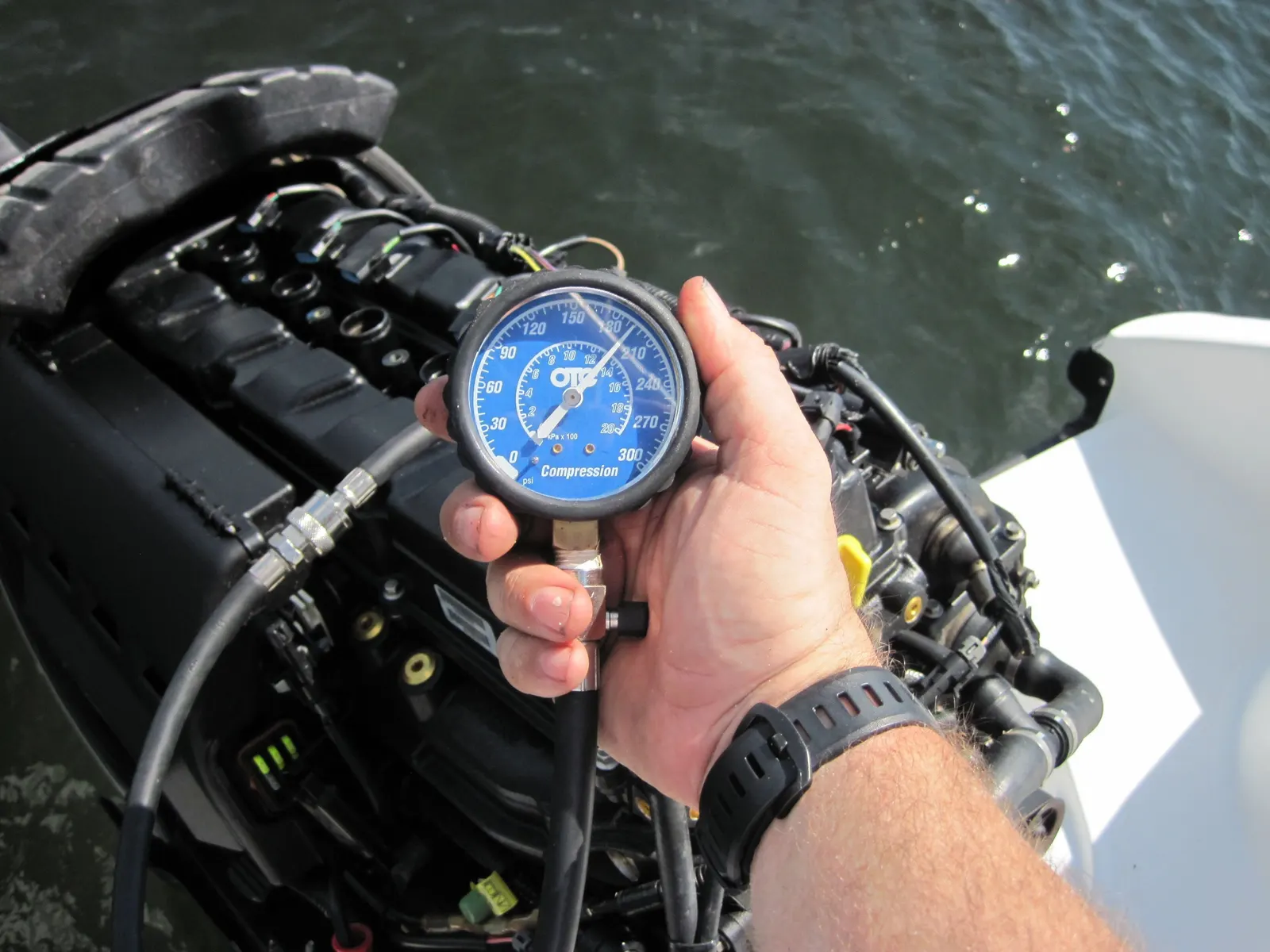
Lenders lend against what the boat would fetch if they had to sell it, not what you agreed to pay. Ausloans says lenders look at the boat's age, make, model, usage history and condition, then compare market sales data and valuation guides. Money.com.au notes that lenders consider what the boat will be worth at the end of the loan, not just the start. On larger or older boats, expect the lender to ask for an independent valuation or a pre-purchase survey, and to make comprehensive insurance a condition of the loan.
If the valuation comes in below the price, the lender will lend less and you will need a bigger deposit. A survey that finds problems can also give you grounds to renegotiate. Our guide to pre-purchase surveys and sea trials explains what a surveyor checks.
Age limits
Lenders limit how old a boat can be, both at the start and at the end of the loan. RACQ, for example, offers up to seven years on a new boat but only five on a used one. Other lenders set a maximum age for the boat at the end of the term; some brokers quote a limit around 20 years, but it varies by lender and by boat. An older boat will usually get a shorter term, a higher rate, a lower loan-to-value ratio, or may need an unsecured loan instead.
Broker or bank
A bank or credit union you already deal with may offer a good rate and a simple process, especially for a smaller loan on a newer boat. A specialist marine broker has access to several lenders, knows which ones finance older or larger boats, imported boats and boats bought privately, and can handle the valuation and paperwork. Brokers are usually paid a commission by the lender, and some also charge a fee. Ask how they are paid, which lenders they compared, and for the comparison rate and every fee in writing.
If you are buying from overseas, read importing a boat into Australia first, and ask your lender early how it handles a boat that is not yet registered in Australia.
Insurance: agreed value or market value
Most cruiser policies let you choose how the boat is valued for a total loss. Agreed value is the amount you and the insurer agree in writing when the policy is set up. If the boat is written off, that is what you receive, less any excess. Market value is what the boat was worth just before the loss, which the insurer works out at claim time from its make, model, condition and location, as Club Marine's cruiser page explains.
Agreed value gives certainty, and lenders often prefer it. The insurer may ask for a valuation, survey or proof of purchase to support the figure. Review the agreed value at every renewal: set it too high and you pay a larger premium for cover you could never claim, set it too low and you carry the shortfall yourself.
What affects the premium
Insurers rate each boat individually and do not publish rate tables. The main factors are:
- The agreed value, and the cost of repairing the boat's hull type and materials
- Engine type and top speed: fast petrol boats cost more to insure than diesel cruisers
- Where the boat is kept: marina berth, swing mooring, hardstand or trailer, and whether that place is in a cyclone region
- Your experience, licences and claims history
- The excess you choose, and options such as a nil excess at your nominated berth
- Navigation limits and any offshore passages
- Liability limit and optional extras such as personal effects or towing
Cruising limits
Every policy has a geographic limit. Club Marine's cruiser cover applies across Australia out to 250 nautical miles offshore. Passages beyond that, to New Zealand, New Caledonia or further, need the insurer's approval in advance, and usually more evidence of the boat's equipment and the crew's experience. Check your limits before every major trip, and tell the insurer in writing if you plan to keep the boat somewhere other than the address on the policy for any length of time.
Cyclones and named storms in northern Australia
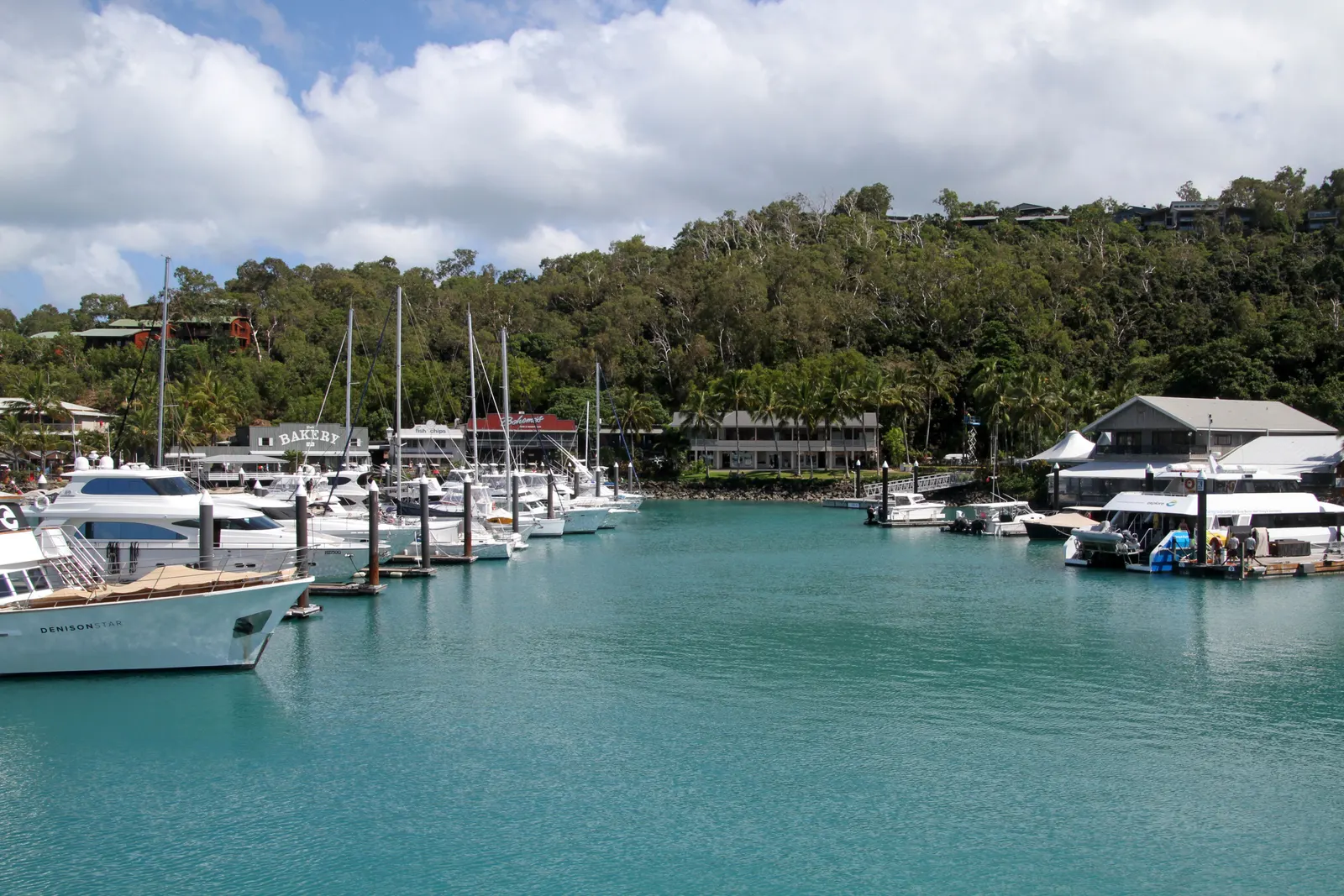
The Bureau of Meteorology's tropical cyclone season runs from 1 November to 30 April, though cyclones have formed outside those dates, and the Bureau says the Australian region typically sees around 11 tropical cyclones a season. Insurers treat boats kept or cruising in the north during the season differently, and the conditions vary a lot between policies.
Pantaenius offers named tropical storm cover in Far North Queensland as part of its hull contract. Owners must complete and follow its named tropical storm contingency plan, which is based on Queensland Government maritime extreme-weather plans. It says owners cruising Queensland waters who need the cover should expect around 10 per cent more premium a year. It will not cover vessels kept permanently on swing moorings north of Gladstone, and it requires boats older than six years to have a recent satisfactory out-of-water survey.
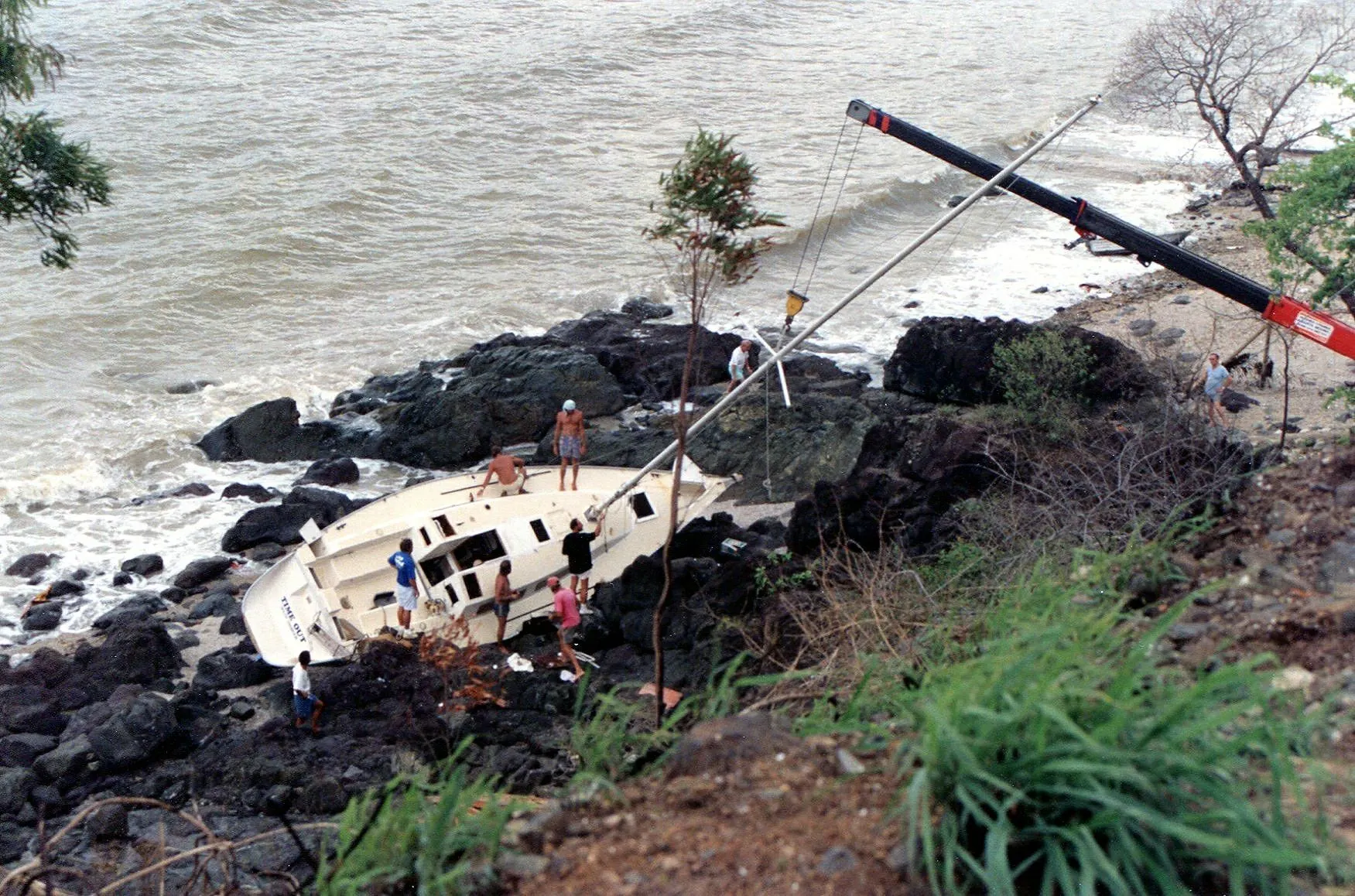
Club Marine says its excess remains payable on a loss during a named cyclone, even where you have a nil excess at your berth. Other insurers may apply a higher cyclone excess, require the boat to be hauled out or moved south during the season, or require it to be in an approved cyclone-rated marina or mooring.
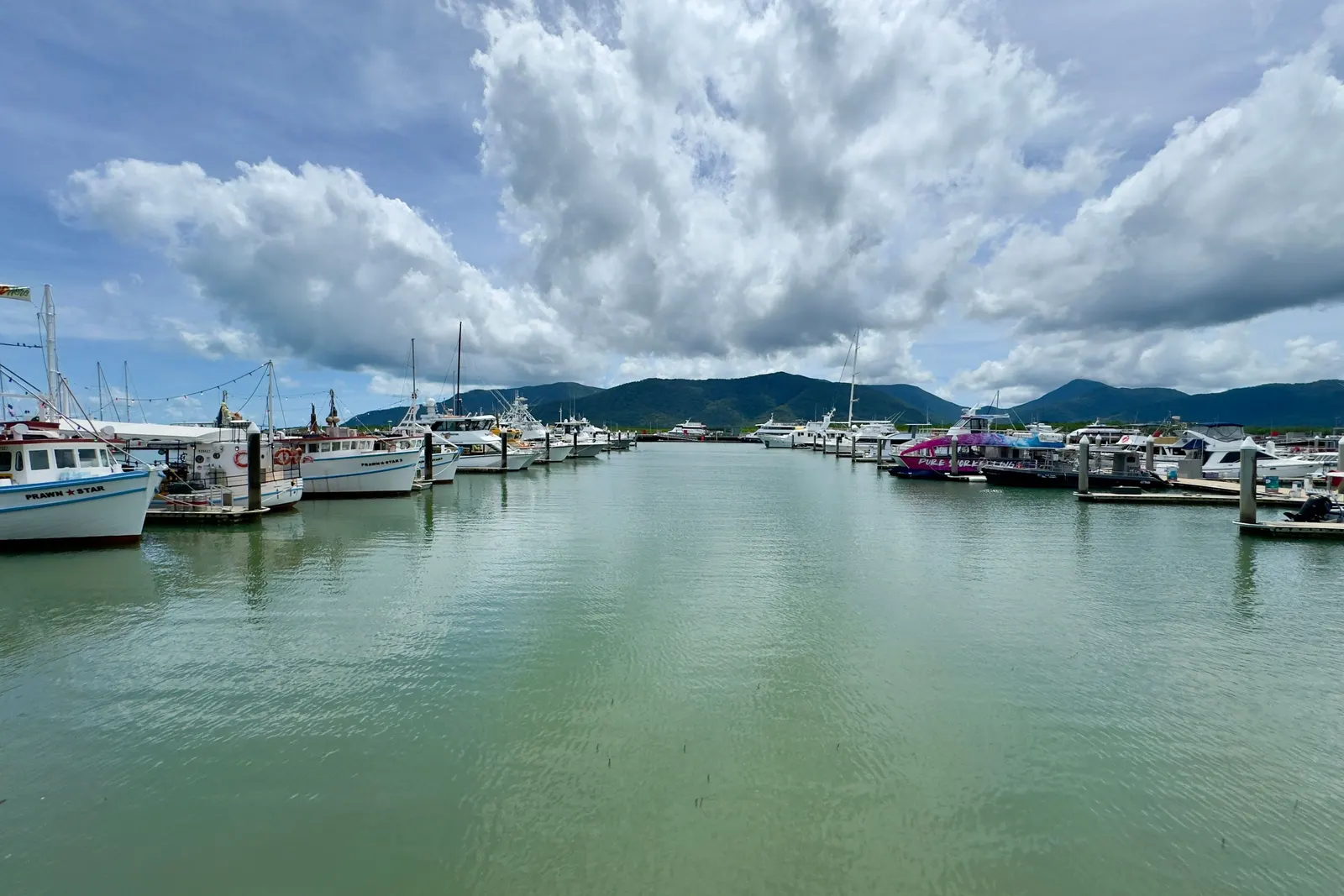
Maritime Safety Queensland publishes extreme weather contingency plans for each northern port, including the Whitsundays and Cairns. Under these plans the regional harbour master can close marinas, moorings and anchorages and direct vessels as a storm approaches. Know the plan for your port, and know what your policy requires you to do, before the season starts. If you live elsewhere, arrange in advance who will move or secure the boat for you.
Liability cover
Third-party liability covers you if the boat injures someone or damages someone else's property: another boat, a marina, a jetty. Most cruiser policies include it, with a choice of limits. Marinas and boatyards set their own minimums. Royal Yacht Club of Victoria, for example, asks for a minimum of A$10 million public liability before it will slip your boat. Check the marina's requirement, check who else is covered when they drive the boat with your permission, and check whether liability cover continues while the boat is out of the water.
Surveys insurers ask for
Insurers commonly ask for a condition and valuation survey when they first cover an older boat, and again every few years. Pantaenius's threshold for named storm cover is six years. Club Marine says it may ask for condition reports, survey reports, rigging reports, photos or valuations when you apply or renew. Expect the surveyor to want the boat out of the water, and to report on the hull, through-hull fittings, steering, fuel and gas systems, electrics and safety gear. Fix the items the report lists as conditions of cover before the deadline, and keep the invoices.
A recent survey also helps with finance and, later, with selling. Keep a folder of surveys, service records and receipts; our selling your boat guide explains why that file adds value.
Putting it together
Get a finance pre-approval and an insurance quote before you make an offer, so you know both the repayments and the premium. Make the purchase subject to finance, survey and insurance. Then add the repayments and premium to the running costs in what a 15 m flybridge costs to own, and the berth costs in marina berths in Australia, before you commit. When the numbers work, search boats for sale or browse by category, and use buying a used yacht in Australia as your checklist.
Sources
- RACQ Bank, Boat loans (rates current as at 13 October 2026)
- Pepper Money, Watercraft loans (information correct as at 23 September 2026)
- Money.com.au, Boat loans (updated 30 October 2026)
- Finder, Boat loans comparison
- Ausloans, Marine finance FAQs
- Club Marine, Cruiser insurance
- Club Marine, Boat insurance home page
- Pantaenius Australia, Named tropical storm cover
- Queensland Government, Maritime safety extreme weather contingency plans
- Royal Yacht Club of Victoria, Slipping and storage application form (from 1 January 2025)
- Bureau of Meteorology, Tropical cyclone knowledge centre
- Bureau of Meteorology, More tropical cyclones likely for Australia this year (long-term average)
Information is general and current at the time of writing. Check with the authority or a professional before you rely on it.